At first glance, it might seem harmless to place your electric kettle in the refrigerator to cool the water faster or store leftovers. However, the correct answer is: no, you should never put an electric kettle in the fridge.
Doing so can cause electrical damage, condensation buildup, and potential safety hazards — and it’s unnecessary for cooling or storage.
Even when unplugged, an electric kettle still contains wiring, sensors, and heating elements inside its base and body.
The cold and humid environment of a fridge causes condensation, which can seep into these parts and:
Corrode metal contacts
Short-circuit wiring when powered on later
Trigger safety cut-offs or permanent damage
When you move the kettle between room temperature and refrigeration, moisture condenses inside the inner chamber and circuitry. This repeated condensation weakens insulation and leads to rust or mold growth around hidden seams.
A kettle’s metal body — especially stainless steel — retains heat for several minutes after boiling. Putting a hot kettle in a refrigerator actually increases the fridge’s temperature, forcing it to work harder and consume more energy.
Placing a still-warm or freshly boiled kettle inside your fridge can lead to:
Fridge temperature spikes, reducing cooling efficiency.
Condensation buildup on shelves and food items.
Warped or cracked plastic parts (if the kettle isn’t stainless steel).
Potential odors transferring from stored food into the kettle.
In short — it’s unsafe for both the appliance and your refrigerator.
Even if the kettle is unplugged and cold, it’s still not designed as a storage container.
kettles are for boiling, not storing — lids are not airtight.
Residual moisture and minerals inside promote bacterial growth.
The metallic or plastic taste can leach into water over time.
You risk electrical corrosion around the base from fridge humidity.
If you want chilled water, pour it into a glass jug, pitcher, or food-safe stainless steel bottle instead.
Instead of placing the kettle in the fridge, use these safer, faster cooling methods:
Pour boiled water into a heat-resistant glass or stainless steel container and let it cool at room temperature for 15–20 minutes before refrigeration.
Fill a larger bowl with ice water and place your kettle (unplugged) inside for a few minutes — but only if it’s stainless steel and tightly sealed. This cools the water externally without submerging the electric base.
If you frequently need cool water for recipes or brewing, consider a dedicated carafe or dispenser designed for both hot and cold liquids.
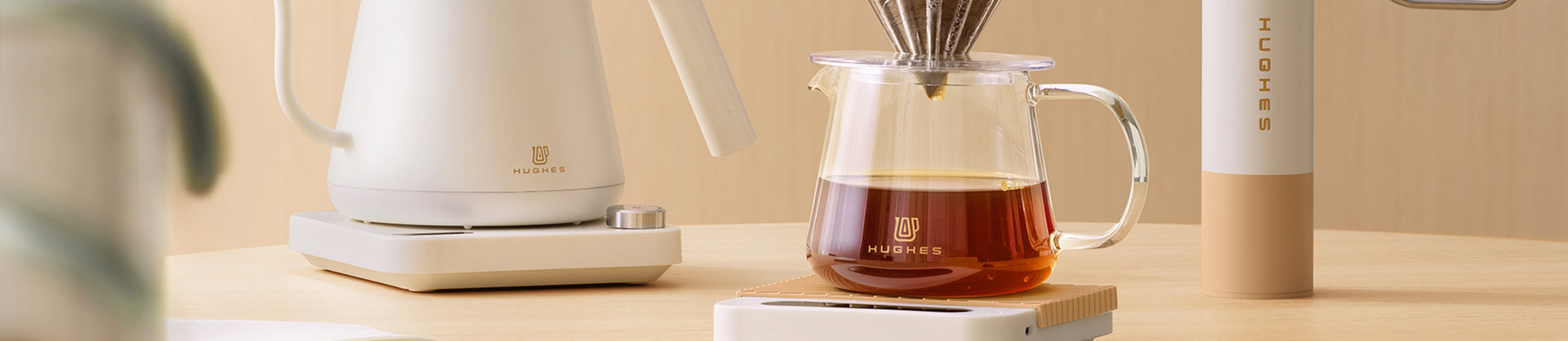
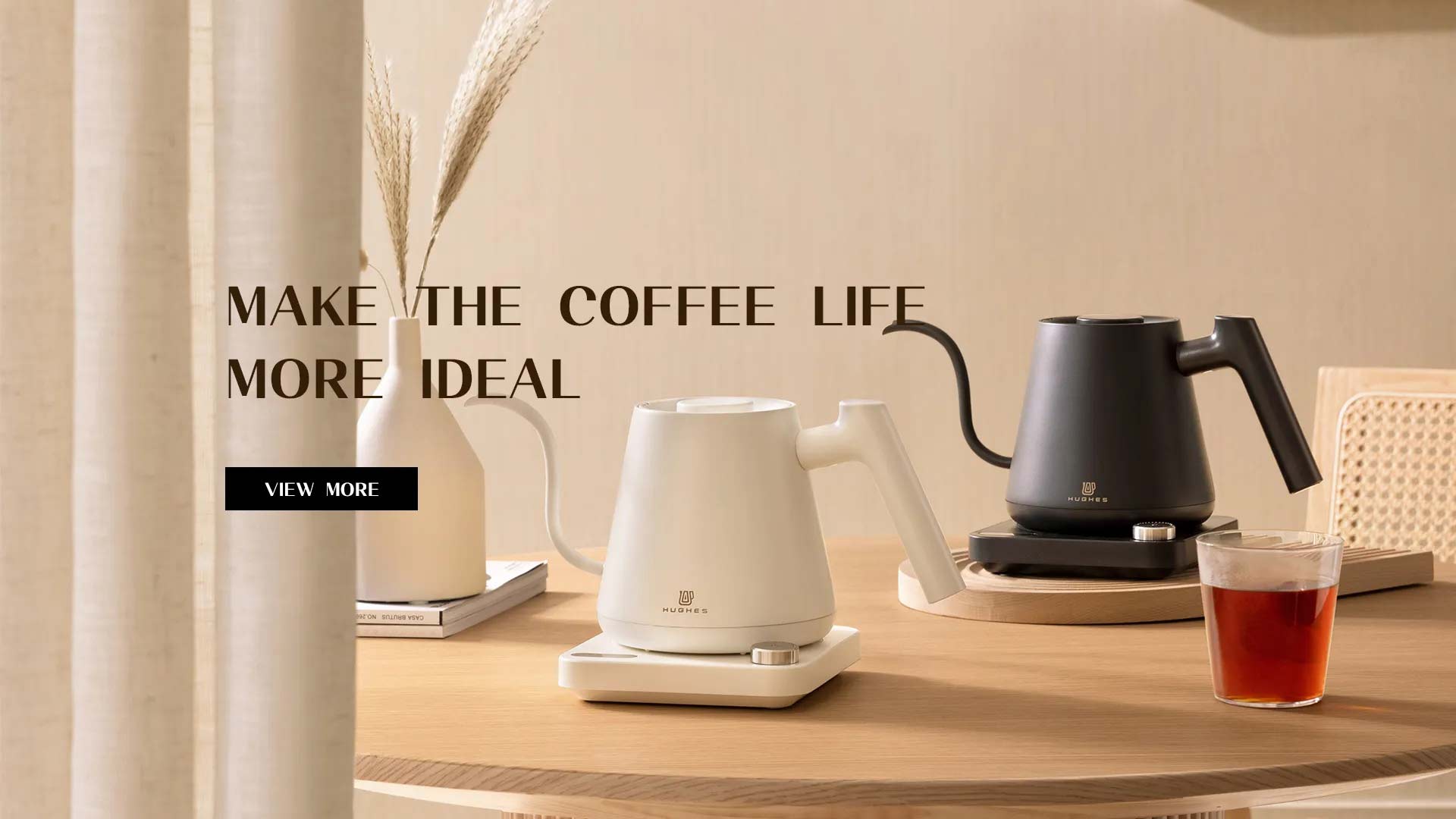
Hughes Coffee electric kettles are engineered for precision brewing — not refrigeration — but their design helps with rapid cooling and safe handling without needing to chill the whole appliance.
304 stainless steel interior for fast heat release.
Double-wall insulation for safe exterior touch.
Detachable base that keeps electrical parts isolated.
Wide-mouth opening for easy pouring and cleaning.
Boil-dry and auto shut-off protection to prevent overheating.
These features make Hughes Coffee kettles both durable and easy to maintain, without needing unconventional cooling methods.
If your electric kettle has been in the fridge or exposed to moisture:
Unplug it immediately.
Do not turn it on.
Leave it in a dry, warm area for at least 24–48 hours.
If condensation is visible inside, tilt and drain gently.
Test only when you’re sure it’s completely dry.
If it shows any electrical smell, delay in heating, or flickering indicator, stop using it and have it inspected.
| Action | Safe? | Reason |
|---|---|---|
| Putting kettle in fridge while hot | ❌ No | Raises fridge temperature, causes condensation |
| Storing water in kettle in fridge | ⚠️ Not recommended | Bacteria and corrosion risk |
| Cooling kettle in ice bath (sealed) | ✅ Yes, short-term | Safe if base is dry and unplugged |
| Leaving kettle at room temp to cool | ✅ Yes | Best option for safety and appliance health |
You should never put an electric kettle in the fridge — not even when unplugged. The electrical components are not built for cold, humid environments and can suffer corrosion or permanent damage.
If you need cold or room-temperature water, simply transfer it to another food-safe container. This keeps both your kettle and fridge working efficiently for years.
Hughes Coffee electric kettles are made for safe, fast, and precise heating — designed with stainless steel interiors, detachable bases, and certified insulation that make them easy to use, clean, and cool naturally.
Keep your kettle out of the fridge — and let it do what it does best: boil perfectly every time.

 WhatsApp:
 Mobile Phone:
 Contact Now