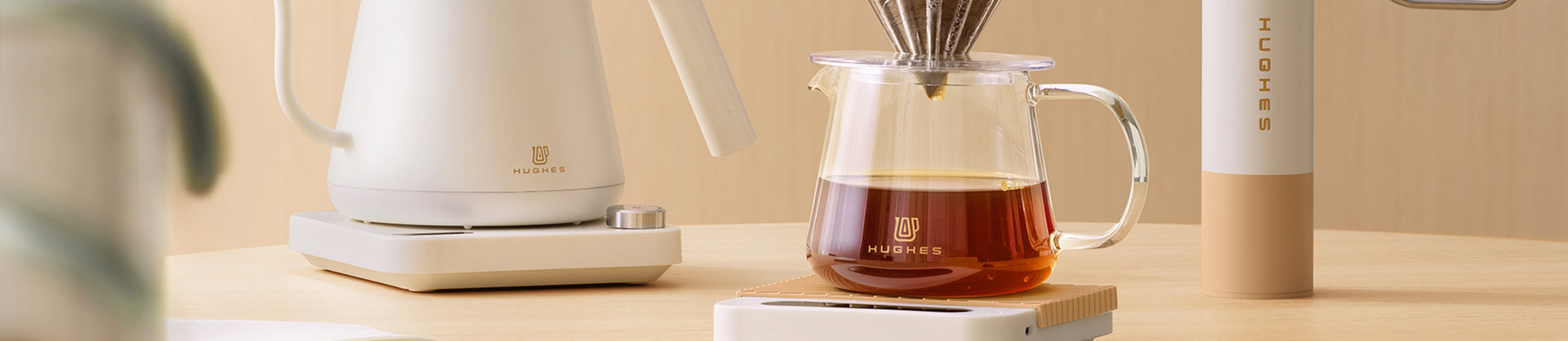
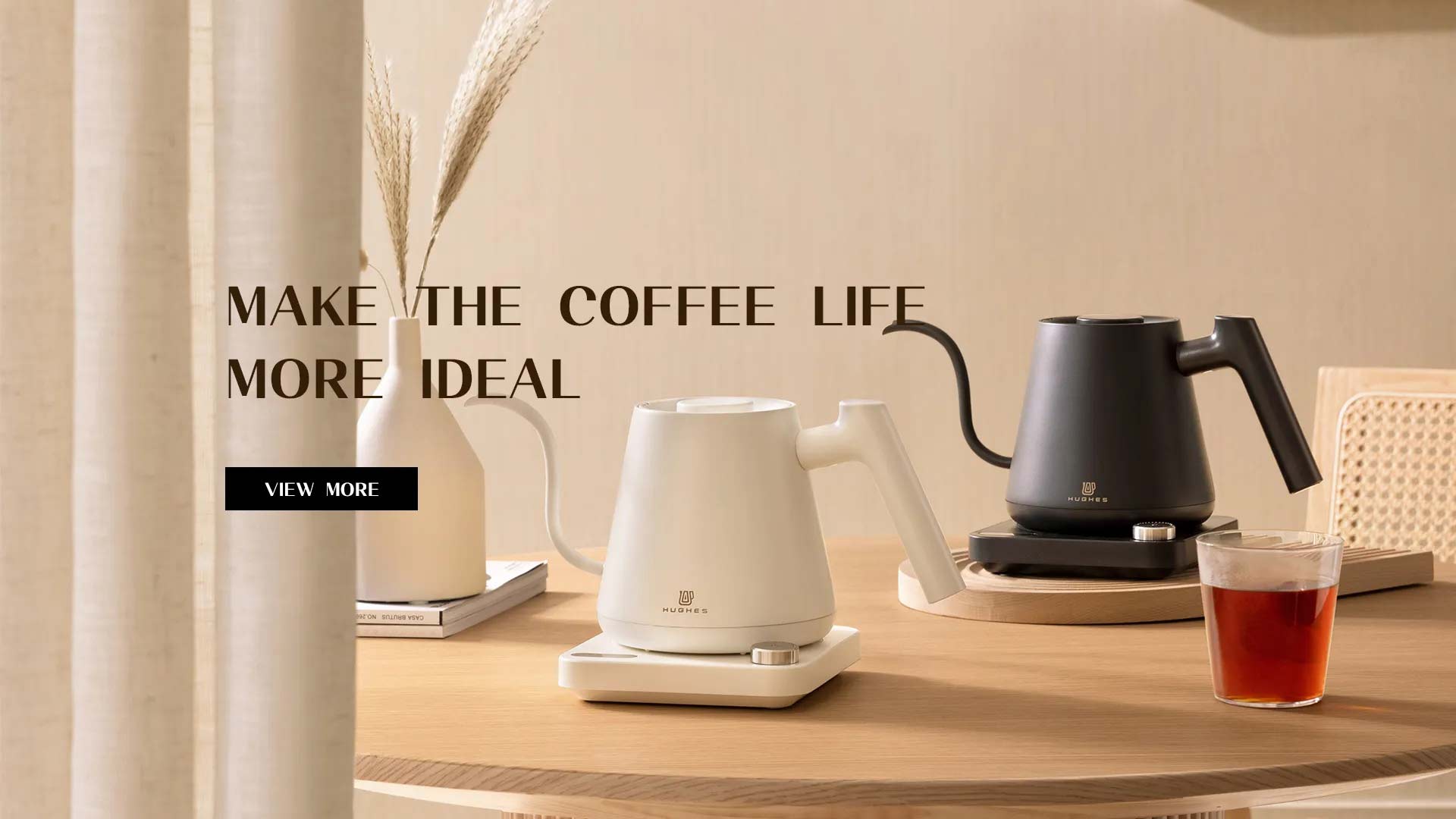
An electric kettle is one of the most-used appliances in any kitchen — quick, convenient, and durable. But like all electrical products, there comes a time when it reaches the end of its life. Whether it’s broken, inefficient, or simply replaced by a new model, you might wonder:
How should you dispose of an electric kettle responsibly?
Throwing it in the household trash is not the answer. Electric kettles contain metal, plastic, wiring, and electronic components that can harm the environment if not recycled properly.
At HUGHES Coffee, we not only design efficient, long-lasting kettles but also encourage sustainable practices for responsible disposal.
Here’s a complete guide on how to dispose of your electric kettle safely, ethically, and in an eco-friendly way.
Electric kettles are considered e-waste (electronic waste) because they contain:
Electrical wiring and heating elements
Plastic and metal casings
Electronic circuits and switches
When dumped in regular garbage, these materials don’t decompose naturally. Metals can rust and release toxic compounds, and plastics can take hundreds of years to break down.
Improper disposal also wastes valuable materials like stainless steel, copper, and aluminum — all of which can be recycled and reused in new products.
Before discarding your kettle, it’s worth checking if it can be repaired or reused.
Many electric kettles stop working due to minor faults, such as:
A damaged power cord or plug
Mineral buildup on the heating element
A faulty on/off switch
Try these simple checks:
Descale the kettle — sometimes scale buildup prevents proper heating.
Test another outlet to rule out electrical issues.
Inspect the cord — if it’s frayed, it may be repairable by a technician.
At Hughes Coffee, our electric kettles are designed with durable components and replaceable power bases, ensuring a longer lifespan and reducing waste.
If repair isn’t possible, move to proper recycling or disposal.
Take your old kettle to a certified electronic recycling facility.
These centers safely dismantle appliances, separate materials, and recycle components like metal and plastic.
Search online for “e-waste drop-off near me” or contact your local waste management service for locations.
Some appliance retailers or electronic stores offer take-back or trade-in programs when you purchase a new product.
They collect old appliances for safe recycling or refurbishing.
If you buy a new kettle from an authorized Hughes Coffee distributor, check if a product recycling service is available.
Many cities hold special e-waste collection events for small household appliances.
Simply bring your old kettle along with other electronics like toasters, blenders, or irons. This ensures safe, government-approved disposal.
If your kettle is primarily stainless steel, you can also take it to a metal recycling facility.
Remove plastic components first if possible — the metal body and heating plate can often be melted down and reused.
Before recycling or dropping it off:
Unplug and cool the kettle completely.
Remove detachable parts — lids, filters, bases, or cords (if removable).
Clean it thoroughly to remove water residue or scale.
Separate materials — some centers require plastic and metal parts to be sorted.
Package safely to prevent wires or fragments from causing injury during transport.
Following these steps helps recycling centers handle materials efficiently and safely.
If your kettle still looks good but no longer works, consider upcycling — turning it into something useful or decorative.
Here are a few creative ideas:
Flower Vase or Planter: Clean the kettle and use it as a modern metal or glass planter.
Water Pitcher for Gardening: Reuse it for watering small plants or herbs.
Kitchen Storage Jar: Store utensils, spoons, or coffee pods inside the empty body.
Home Décor Piece: Vintage or glass kettles can make unique decorative accents.
Upcycling gives your appliance a second life and keeps it out of landfills.
At Hughes Coffee, we believe innovation and sustainability go hand in hand.
Our electric kettles are engineered for energy efficiency, long service life, and easy recyclability.
Key sustainable design features:
Durable stainless steel and borosilicate glass: Built to last for years.
Removable components: Easy to clean, repair, or replace individually.
Energy-efficient heating systems: Reduce electricity use during every boil.
Minimal plastic design: Reduces environmental impact and simplifies recycling.
We also encourage customers to recycle responsibly and dispose of electrical appliances through certified recycling systems.
Q1: Can I put my old electric kettle in the regular trash?
No. Electric kettles are considered e-waste and should be recycled at designated centers.
Q2: What happens if I throw it away with household waste?
It may end up in a landfill where electronic parts release harmful substances over time.
Q3: Can electric kettles be recycled?
Yes. Most parts — including metal, plastic, and copper wiring — can be recycled separately.
Q4: Does Hughes Coffee offer recycling support?
While we don’t handle recycling directly, we encourage customers to use certified e-waste centers or trade-in programs through authorized partners.
Q5: What’s the most eco-friendly way to dispose of an old kettle?
Recycle it at a certified facility and replace it with an energy-efficient model like those from Hughes Coffee.

 WhatsApp:
 Mobile Phone:
 Contact Now