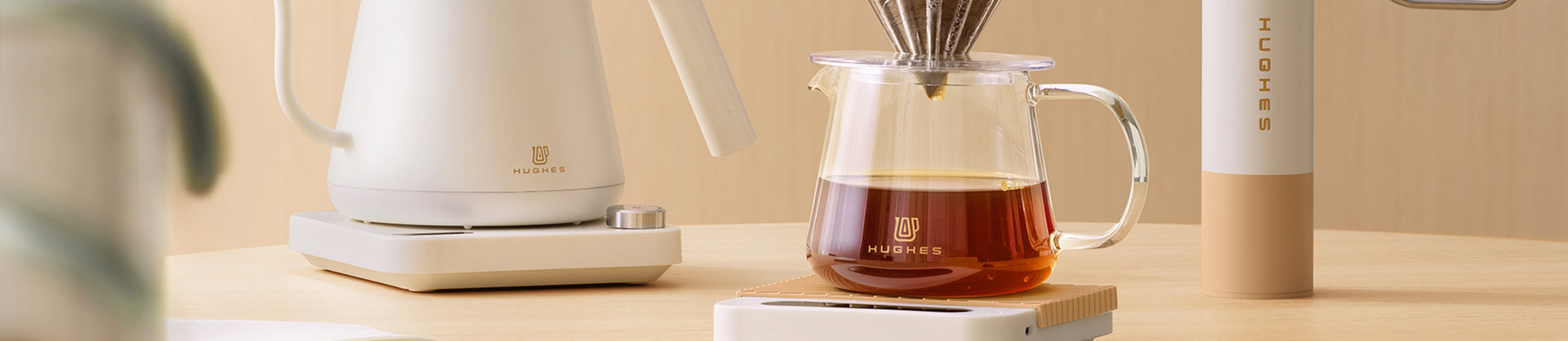
Even the most careful users sometimes face it — the unpleasant sight or smell of a burnt electric kettle. Whether it’s caused by boiling dry water, mineral buildup overheating the base, or residue from beverages, burnt marks can make your kettle look old and affect its performance.
Fortunately, you can clean a burnt electric kettle easily and safely with simple methods — no harsh chemicals required.
At Hughes Coffee, our kettles are made with high-quality stainless steel and borosilicate glass, designed to resist staining and overheating. Still, regular cleaning ensures your kettle stays spotless and efficient.
This guide will walk you through step-by-step methods to restore your kettle to perfect condition.
A burnt bottom or discolored interior doesn’t always mean permanent damage. It’s often caused by:
Boiling without enough water (dry boil)
Limescale buildup creating hot spots
Overheating from leftover residue such as sugar or milk
Neglected cleaning after frequent use
These marks appear as brown, black, or rainbow-colored stains at the bottom of the kettle. The good news? Most can be removed with natural household ingredients.
Before you start cleaning, gather the following safe, effective materials:
White vinegar or lemon juice – dissolves mineral deposits and burn marks
Baking soda – lifts tough stains and neutralizes odors
Soft sponge or non-metal brush – avoids scratching
Clean cloth or towel
Water – for rinsing and boiling afterward
Avoid abrasive tools like steel wool or scouring pads, which can scratch and dull the kettle’s surface.
Always unplug your kettle first and let it cool completely before cleaning. This prevents electric shock and protects the heating element.
Mix equal parts white vinegar and water inside the kettle (fill about halfway).
If you prefer a mild scent, use lemon juice instead of vinegar.
Turn on the kettle and let the vinegar-water mixture boil once, then turn off automatically.
Leave it to sit for 15–20 minutes so the solution can loosen burnt residue.
After cooling, pour out the mixture and use a soft sponge or toothbrush to gently scrub the inside — especially burnt or discolored areas.
Rinse several times with clean water to remove all vinegar traces.
Then fill the kettle with fresh water, boil once, and discard the water.
This ensures no lingering odor or taste.
If your kettle has stubborn black or brown stains, add baking soda for deeper cleaning.
Method:
Sprinkle 2 tablespoons of baking soda into the kettle.
Add a small amount of water to make a paste that covers the burnt area.
Let it sit for 15–30 minutes.
Use a soft brush to scrub gently.
Rinse and boil fresh water afterward.
Baking soda neutralizes acids and lifts burnt film without scratching the metal.
Even after cleaning, burnt odors can linger. To remove them naturally:
Fill the kettle with water and add a few lemon slices.
Boil the mixture and let it sit for 20 minutes.
Pour it out and rinse well.
Lemon acts as a natural deodorizer and leaves a fresh, clean scent.
Sometimes spills or dry residue burn onto the outside of the kettle.
Stainless Steel Surface:
Wipe with a soft cloth dipped in vinegar and water, then polish with a dry towel.
Glass Surface:
Use a mild detergent solution, rinse, and dry with a microfiber cloth.
Avoid immersing the kettle base or electrical parts in water. Always clean with a damp cloth only.
Prevention is always better than deep cleaning.
Follow these tips to keep your electric kettle looking new:
Never boil an empty kettle. Always ensure enough water covers the heating element.
Clean once a week to prevent residue buildup.
Descale monthly if you live in a hard-water area.
Avoid heating anything other than water. Milk, tea, or coffee can leave burnt residues.
Unplug after use and let it air dry with the lid open.
Every Hughes Coffee Electric Kettle includes boil-dry protection to reduce the risk of overheating, but good care further extends its life.
At Hughes Coffee, we engineer electric kettles for performance, safety, and durability.
Our kettles feature:
Food-grade stainless steel or borosilicate glass interiors that resist burn marks
Concealed heating elements that prevent residue accumulation
Auto shut-off and boil-dry protection to avoid overheating
Smooth interior design for easy cleaning
Energy-efficient heating plates for fast, even boiling
With proper care, your kettle will maintain its shine and efficiency for years of use.
Q1: Can I use vinegar to clean a stainless-steel kettle?
Yes. Diluted vinegar is safe and effective for removing burn stains and limescale.
Q2: What if the burn marks don’t come off?
Repeat the vinegar or baking soda method twice. Avoid scraping with metal tools.
Q3: Can I use dish soap instead?
Dish soap helps with minor discoloration but won’t dissolve heavy burnt residue — vinegar and baking soda work better.
Q4: Is it safe to boil vinegar inside the kettle?
Yes. It’s non-toxic and completely safe when diluted with water.
Q5: How can I prevent burnt smells in the future?
Never dry-boil your kettle and rinse it regularly with lemon water after cleaning.
A burnt electric kettle doesn’t have to be replaced — it just needs the right cleaning approach.
By using natural solutions like vinegar, lemon, and baking soda, you can restore your kettle’s shine, remove odors, and maintain peak performance.
At Hughes Coffee, our electric kettles are designed for easy maintenance and long-term durability, making cleaning simple and safe.
Keep your kettle fresh, efficient, and ready for every perfect cup of coffee or tea.

 WhatsApp:
 Mobile Phone:
 Contact Now