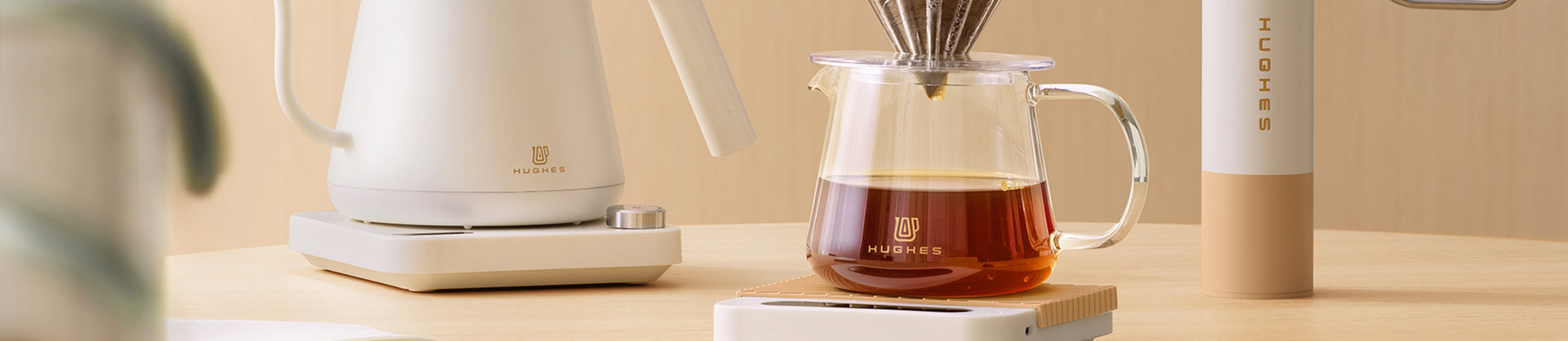
Electric kettles are essential in homes, cafés, and offices, providing fast and efficient boiling for tea, coffee, and daily cooking needs. Proper maintenance helps extend a kettle's lifespan, ensures better-tasting water, and prevents performance issues. Here is a complete guide on how to maintain your electric kettle and keep it running safely and efficiently.
Electric kettles work with high heat and frequent water exposure, making them vulnerable to limescale buildup, corrosion, and wear. Regular care reduces electrical stress and improves safety.
A clean kettle boils water faster, uses less electricity, and places less strain on internal components.
Models like HUGHES stainless steel and gooseneck kettles benefit greatly from proper descaling and cleaning due to their precision temperature systems.
Cleaning is the most important form of kettle maintenance.
Wipe the exterior and rinse the interior lightly to prevent odor and residue buildup.
These can scratch stainless steel and damage protective coatings inside the kettle.
Limescale is the most common issue, especially in hard-water regions.
Fill the kettle with:
1:1 mix of vinegar and water, or
1–2 tablespoons of citric acid in warm water
Boil, let sit 20 minutes, and rinse thoroughly.
Hard water: every 2–4 weeks
Soft water: every 6–8 weeks
Regular descaling protects the heating element and thermostat, extending kettle lifespan.
Sometimes kettles develop metallic or mineral smells.
This removes cleaning-solution residue and keeps the interior fresh.
Standing water encourages mineral deposits and bacteria growth.
Digital kettles need additional care.
Moisture can cause malfunction or inaccurate temperature readings.
Wipe with a dry cloth and store away from steam-heavy areas.
Electrical appliances require safe handling to avoid hazards.
Look for signs of wear, bending, or overheating.
This prevents sudden temperature shock and protects internal seals.
Daily habits significantly affect kettle lifespan.
Dry-boiling can destroy the heating element.
Below minimum: risks overheating
Above maximum: causes spillover and electrical hazards
HUGHES kettles include boil-dry protection, but good habits still improve safety and durability.
A well-stored kettle lasts longer and maintains performance.
Humidity can corrode metal parts and affect electronics.
Prevents internal wire fatigue and improves electrical safety.
Stainless Steel kettles look better with proper care.
Removes fingerprints and maintains shine.
Some cleaners can damage matte finishes or painted kettles.
Maintaining an electric kettle is simple, but consistent care makes a significant difference. By descaling regularly, cleaning properly, avoiding dry-boiling, and protecting the kettle from moisture, users can extend its lifespan and ensure safer, faster boiling.
High-quality kettles—like HUGHES stainless steel and temperature-control models—are built for durability, but proper maintenance ensures they deliver peak performance for years in homes, cafés, hotels, and offices.
Previous: How To Recycle Electric Kettle

 WhatsApp:
 Mobile Phone:
 Contact Now