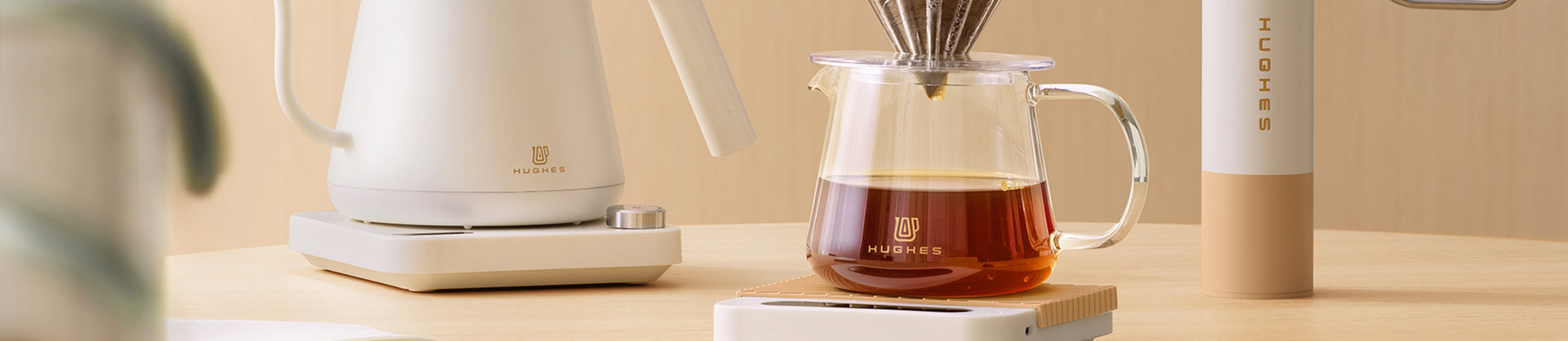
Brown stains inside an electric kettle are common, especially in regions with hard water or frequent use. These stains can affect water taste, reduce heating efficiency, and shorten the appliance’s lifespan. Fortunately, they are easy to clean using safe, everyday ingredients. Here is a complete guide on how to remove brown stains effectively while protecting your kettle.
Understanding the source of the discoloration helps you choose the right cleaning method.
Calcium, magnesium, and iron in hard water accumulate over time, leaving brown or yellowish patches.
Boiling water repeatedly causes minerals to crystallize faster, especially on stainless steel heating plates.
The safest and most effective cleaning methods require only basic household items.
This is the most popular cleaning solution.
Mix 1 cup vinegar + 1 cup water inside the kettle
Boil the mixture
Let it sit for 15–20 minutes
Pour it out and rinse thoroughly
Boil clean water once to remove vinegar smell
This method dissolves brown minerals without damaging stainless steel.
A natural, gentle option for lightly stained kettles.
Squeeze the juice of 1–2 lemons into the kettle
Add water until halfway full
Boil and let sit for 15 minutes
Rinse well
Lemon acid helps break down stains while leaving a pleasant citrus scent.
Ideal for tough brown stains or heavy limescale.
Add 1–2 tablespoons of citric acid into warm water
Boil the mixture
Let it rest for 10–20 minutes
Scrub lightly with a soft sponge
Rinse thoroughly
Citric acid cleans deeper and faster than vinegar or lemon.
Exterior stains usually come from splashes, drips, or heat discoloration.
Apply soapy water and gently wipe the outside.
Steel wool or rough sponges can scratch stainless steel or matte-coated kettles, especially premium models like HUGHES electric kettles.
Sometimes stains are caused by internal damage rather than minerals.
If stains appear after a dry-boil incident, the heating element may be damaged.
Boil-dry damage affects performance and may pose electrical risk.
HUGHES kettles include dry-boil protection to prevent such issues.
Regular care extends kettle lifespan and prevents recurring buildup.
Removing leftover droplets slows mineral crystallization.
Hard water = clean more frequently
Soft water = clean less often
Using filtered water also reduces future staining.
Routine cleaning keeps stains under control.
Heavy use + hard water → every 2–4 weeks
Moderate use → every 4–6 weeks
Light use → every 8 weeks
A clean kettle boils faster, uses less electricity, and protects internal components.

 WhatsApp:
 Mobile Phone:
 Contact Now