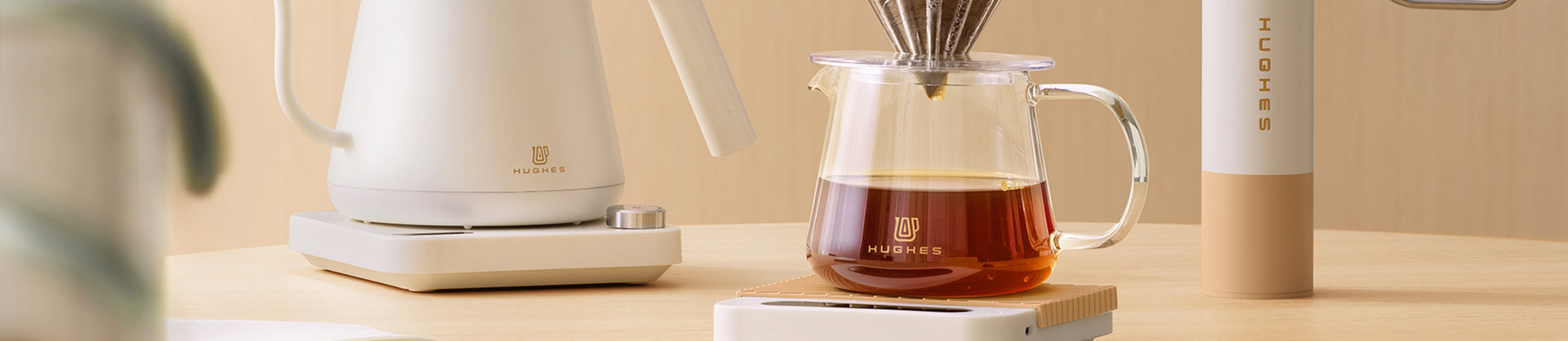
Calcium deposits—also known as limescale—are one of the most common issues affecting electric kettles, especially in homes or cafés that use hard water. These white, chalk-like mineral layers form when calcium and magnesium crystallize during boiling. Over time, they reduce heating efficiency, affect taste, and may shorten your kettle’s lifespan. Thankfully, removing calcium deposits is simple and can be done with safe household ingredients.
Hard water contains minerals that separate from water when heated.
Repeated heating causes calcium carbonate to form a solid layer on the kettle’s bottom and walls.
A thick layer forces the heating element to work harder, increasing energy use and slowing down boil time.
Several natural cleaning methods effectively dissolve calcium without damaging stainless steel.
Vinegar’s acetic acid dissolves mineral buildup safely and quickly.
Fill the kettle with 1 part white vinegar + 1 part water
Boil the mixture
Let it sit for 20–30 minutes
Pour out the solution and rinse well
Boil clean water once to remove any vinegar smell
This method works for mild to moderate limescale.
Citric acid is a strong natural descaler used in professional cleaning.
Add 1–2 tablespoons of citric acid to warm water inside the kettle
Boil the solution
Let it sit for 15–20 minutes
Scrub gently with a non-abrasive sponge
Rinse thoroughly
Citric acid effectively removes stubborn, thick calcium layers.
Great for light limescale or routine maintenance.
Squeeze 1–2 lemons into the kettle
Add water until halfway full
Boil and let sit for 15 minutes
Rinse and wipe clean
Lemon is gentle but still acidic enough to loosen mineral deposits.
Exterior white spots often come from splashes from hard water.
Wipe gently to remove mineral residue.
These may scratch stainless steel or damage painted or matte-finish kettles.
Regular maintenance keeps your kettle clean and efficient.
Standing water evaporates and leaves minerals on the heating surface.
Hard water areas: every 2–4 weeks
Soft water areas: every 6–8 weeks
Using filtered or softened water also reduces buildup significantly.
Some symptoms indicate it is time for a deep cleaning.
A thick mineral layer interferes with heat transfer.
These flakes are harmless but unpleasant and indicate limescale breaking off.
Ignoring mineral buildup can cause avoidable problems.
This makes the kettle work harder than necessary.
Precision sensors inside premium kettles like HUGHES models can become less accurate if covered with deposits.
Calcium deposits inside an electric kettle are easy to remove using vinegar, citric acid, or lemon juice. Regular descaling improves boiling speed, energy efficiency, and water taste while extending the kettle’s lifespan.
High-quality Stainless Steel kettles—such as HUGHES electric kettles—are designed to resist corrosion, but proper maintenance ensures long-lasting, efficient performance for homes, cafés, hotels, and offices.

 WhatsApp:
 Mobile Phone:
 Contact Now