Electric kettles have become the most convenient and reliable tool for brewing tea, offering fast boiling, precise temperature control, and consistent results. Whether you are preparing classic black tea, delicate green tea, fragrant herbal tea, or specialty blends, using an electric kettle correctly ensures the best flavor extraction. This guide explains how to use an electric kettle to make tea safely and effectively.
Electric kettles heat water faster and more precisely than stovetop kettles.
Different tea types require specific water temperatures to preserve aroma and avoid bitterness.
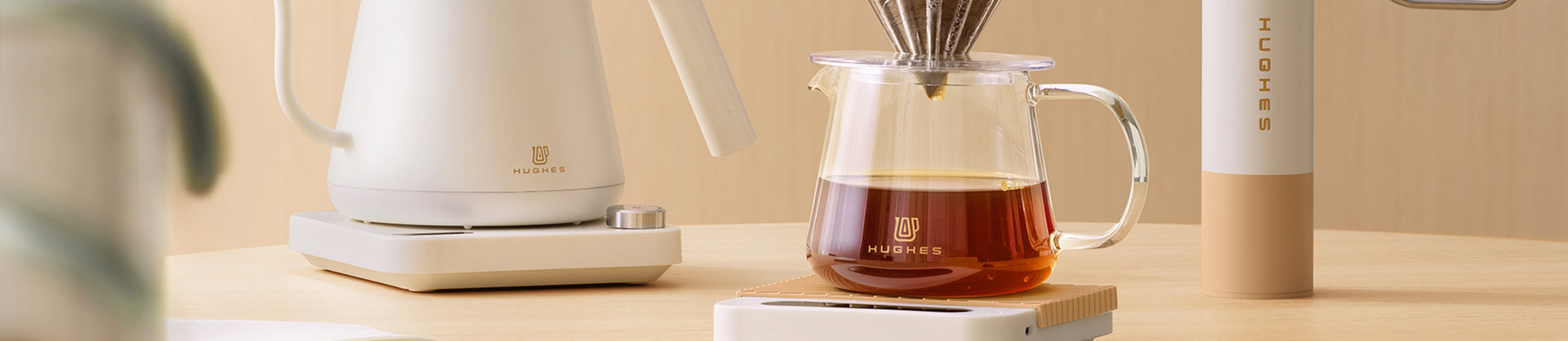
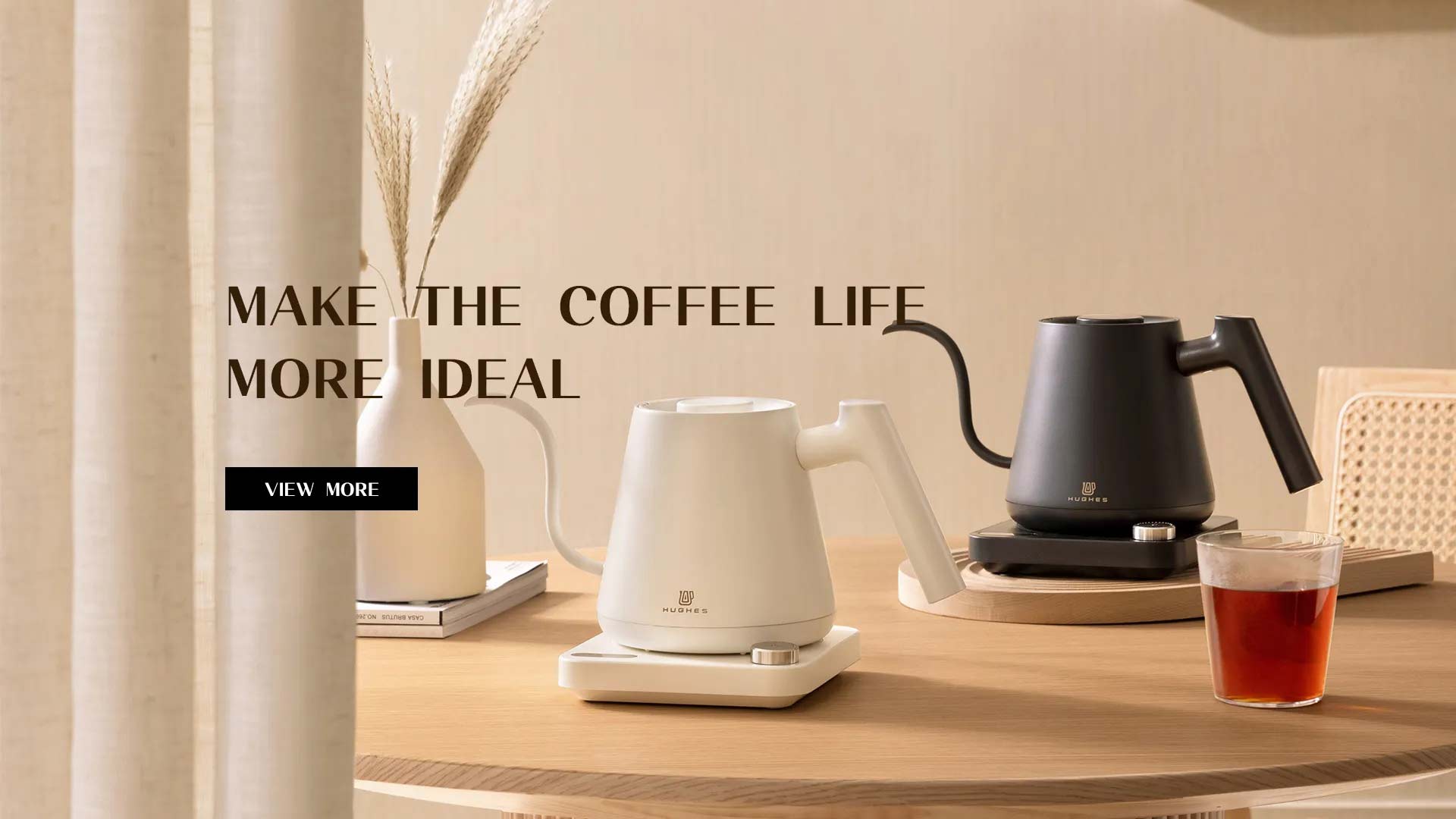
Models like HUGHES gooseneck kettles allow slow, steady pouring ideal for tea leaves and teapots.
Proper temperature is essential for extracting tea flavor without burning the leaves.
Green Tea: 70–80°C (158–176°F)
White Tea: 80–85°C (176–185°F)
Oolong Tea: 85–95°C (185–203°F)
Black Tea: 95–100°C (203–212°F)
Herbal Tea: 100°C (212°F)
HUGHES kettles allow exact temperature selection, preventing over-steeping or bitterness.
Water quality affects the taste of your tea.
Filtered water reduces minerals that can dull tea flavor.
Repeated boiling reduces oxygen content, weakening tea aroma.
Precision matters, especially for delicate teas.
A gentle heat prevents leafy teas from becoming bitter.
If your kettle lacks temperature control, turn it off early for green or white tea.
A warm vessel improves extraction.
Swirl and discard to preheat the pot.
This is especially useful for oolong and black tea.
The type of tea affects steeping time.
Use a tea infuser or strainer for convenience.
1 teaspoon of tea per 250 ml (8 oz) of water.
How you pour affects flavor extraction.
Gooseneck kettles provide excellent flow control.
Proper saturation produces a balanced, aromatic brew.
Over-steeping makes tea bitter; under-steeping makes it weak.
Green Tea: 1–2 minutes
White Tea: 2–4 minutes
Oolong Tea: 3–5 minutes
Black Tea: 3–4 minutes
Herbal Tea: 5–7 minutes
This helps maintain heat and maximize infusion.
Tea is best enjoyed fresh.
This stops the infusion to prevent bitterness.
Use a strainer if necessary.
These additional tips help you achieve café-quality results at home.
Limescale affects heating speed and water taste.
HUGHES kettles offer durable, safe materials for better-tasting water.
These habits can ruin the flavor of your tea.
Low-oxygen water leads to flat-tasting tea.
This burns the leaves and creates bitterness.
Using an electric kettle to make tea is simple and highly effective when done correctly. By selecting the proper temperature, warming your teapot, pouring with care, and steeping for the right amount of time, you can achieve rich, aromatic tea every time.
Premium temperature-control and gooseneck kettles—like those from HUGHES—provide precision, speed, and consistency, making them ideal tools for tea lovers at home, in cafés, or in offices.
Previous: What Does An Electric Kettle Do

 WhatsApp:
 Mobile Phone:
 Contact Now