Limescale and mineral buildup are common problems for electric kettle users, especially in areas with hard water. These deposits reduce heating efficiency, cause popping or crackling noises, and can affect the taste of your tea or coffee. Descaling an electric kettle regularly keeps it running efficiently and helps extend its lifespan. This guide explains the most effective ways to descale your electric kettle safely.
Mineral deposits form naturally when boiling hard water.
A thick layer of calcium or magnesium carbonate makes the heating element work harder.
White flakes or dull-tasting water are clear signs of mineral buildup.
The vinegar and water method is the most effective, safe, and affordable way to remove limescale.
White vinegar contains acetic acid, which dissolves calcium carbonate quickly.
Vinegar cleans deep mineral layers without damaging the kettle interior.
Follow these steps for a complete descale:
Fill the kettle with equal parts white vinegar and water.
Allow the kettle to reach a full boil, then switch it off.
The acid breaks down tough mineral deposits during this soaking period.
Pour out the mixture and rinse with clean water twice.
This removes any vinegar smell or taste.
If vinegar is not available, other natural options also work extremely well.
Citric acid powder is a strong natural cleaner perfect for severe buildup.
Add 1–2 tablespoons citric acid
Fill kettle with warm water
Boil and let sit 15–20 minutes
Rinse thoroughly
Citric acid is especially effective for thick, chalky scale.
Ideal for light limescale or routine maintenance.
Squeeze the juice of 1–2 lemons
Add water and boil
Let sit 15 minutes
Rinse well
Lemon naturally removes thin deposits while freshening the kettle.
Baking soda’s alkalinity helps remove some buildup and deodorize.
Add 1 tablespoon baking soda
Fill with water
Boil and rinse
Baking soda is mild, so it works best for small-scale cleaning.
Frequency depends on your water hardness.
Hard water: every 2–4 weeks
Moderate water: every 4–6 weeks
Soft water: every 6–8 weeks
Clean kettles boil faster and use less electricity.
Improper cleaning can damage the appliance.
These scratch stainless steel interiors and damage heating elements.
These can corrode metal and contaminate drinking water.
Watch for these common indicators.
Mineral buildup interferes with heating efficiency.
These calcium fragments show the scale is breaking loose inside the kettle.
Premium kettles resist mineral buildup longer.
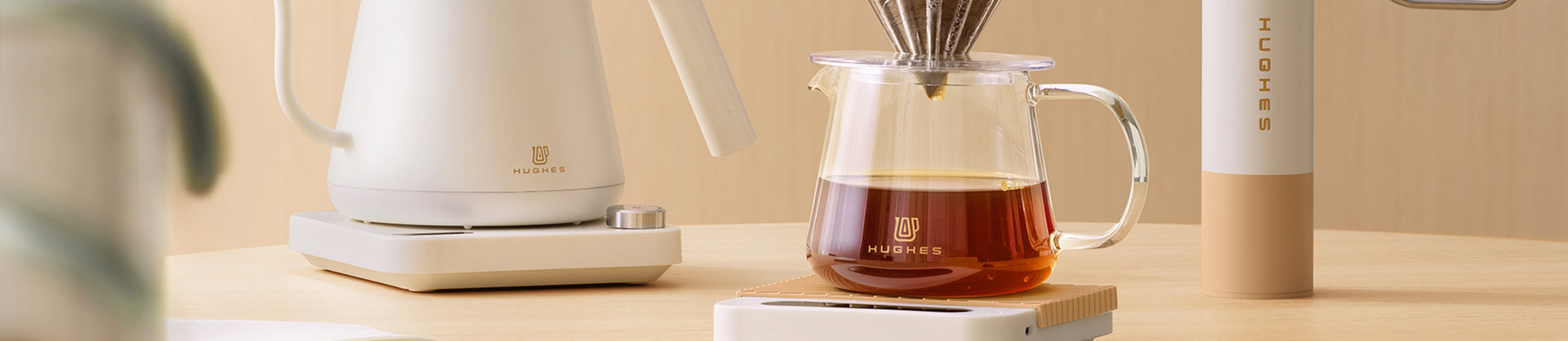
HUGHES kettles use corrosion-resistant steel with smooth surfaces.
This reduces mineral adherence and makes cleaning easier.
The best way to descale an electric kettle is using a vinegar and water solution, followed by a thorough rinse and a clean-water boil. Citric acid, lemon juice, and baking soda are effective alternatives depending on the severity of buildup. Regular descaling keeps your kettle running efficiently, improves water taste, and extends appliance lifespan.
High-quality Stainless Steel kettles from HUGHES are designed to resist corrosion and scale buildup, but consistent descaling ensures long-term performance for homes, offices, hotels, and cafés.

 WhatsApp:
 Mobile Phone:
 Contact Now