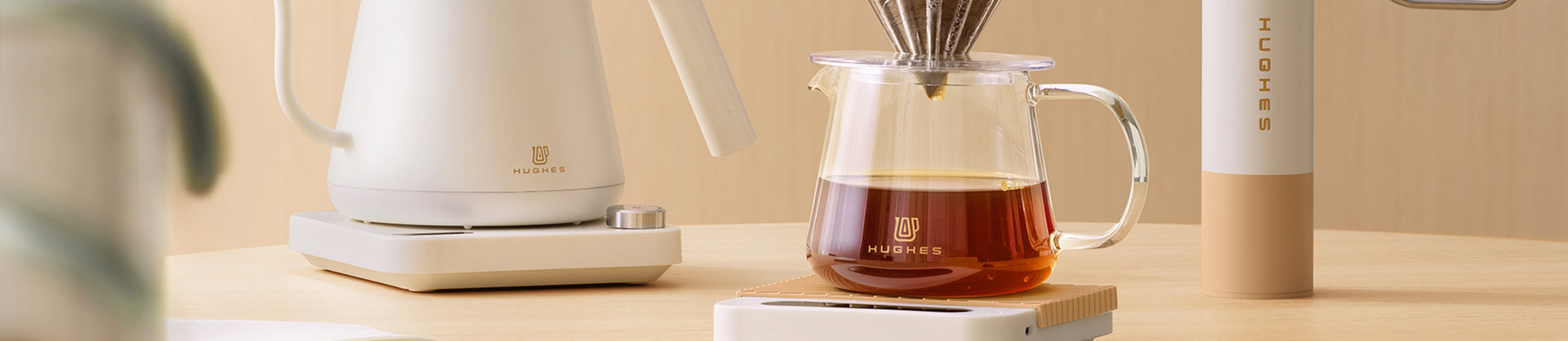
Cleaning an electric kettle regularly is essential for maintaining boiling efficiency, taste quality, safety, and long-term durability. How often you should clean it depends on water quality, frequency of use, and kettle material, but there are clear best-practice guidelines that apply to most users.
Electric kettles heat water directly on a metal plate or concealed element. Over time, mineral deposits (limescale) from water accumulate on these surfaces. If not cleaned:
Boiling becomes slower and noisier
Energy efficiency decreases
Automatic shut-off accuracy can be affected
Water taste may deteriorate
Heating elements may overheat or fail prematurely
Regular cleaning is preventive maintenance, not cosmetic care.
What to do
Empty leftover water after use
Rinse the interior with clean water
Leave the lid open to air-dry
Why
Prevents standing water odors
Reduces early mineral buildup
This is especially important in shared kitchens or offices.
Who needs this
Daily kettle users
Areas with moderate mineral content in water
What to do
Rinse thoroughly
Wipe the spout and lid area
Check for early signs of scale on the base
This keeps buildup from becoming hard and difficult to remove.
This is the most important step
If you use your kettle daily, descale it at least once a month. In areas with hard water, every 2 weeks is recommended.
Signs descaling is overdue
White or chalky deposits inside
Louder boiling sounds than usual
Slower heating times
Visible residue on the base plate
Ignoring these signs accelerates wear on internal components.
| Water Type | Recommended Descaling |
|---|---|
| Soft or filtered water | Every 4–6 weeks |
| Standard tap water | Every 2–4 weeks |
| Hard water | Every 1–2 weeks |
Hard water dramatically increases mineral buildup and shortens kettle lifespan if not addressed.
Most tolerant of regular descaling
Hide scale visually but still accumulate it
Require consistent maintenance
Scale is more visible
Easier to notice when cleaning is needed
Still require the same descaling frequency
May stain or retain odor if not cleaned
Scale buildup still affects heating performance
Material affects visibility, not necessity.
Long-term neglect can lead to:
Permanently reduced heating efficiency
Increased energy consumption
Faulty auto shut-off behavior
Excessive noise and vibration
Shortened product lifespan
In many cases, internal damage caused by heavy scale is not reversible.
Always unplug and cool the kettle before cleaning
Never scrub the heating plate with abrasives
Do not immerse the kettle base in water
Empty the kettle after each use
Simple habits greatly reduce cleaning frequency.
Most electric kettles should be:
Rinsed regularly
Checked weekly
Descaled every 2–4 weeks, depending on water hardness and usage
Regular cleaning ensures faster boiling, quieter operation, better taste, and longer service life. Treat kettle cleaning as routine maintenance—not an occasional fix—and the appliance will perform reliably for years.

 WhatsApp:
 Mobile Phone:
 Contact Now