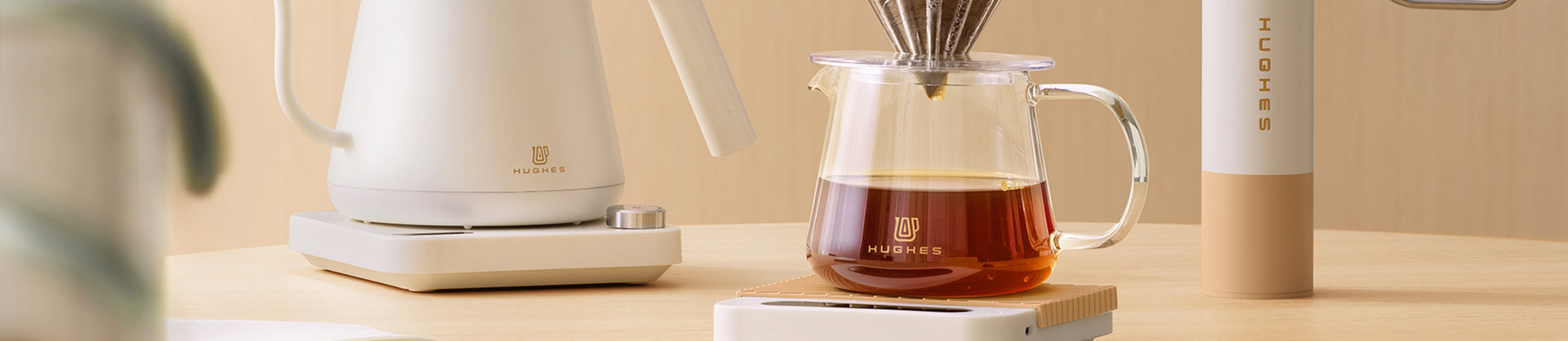
Boiling milk in an electric kettle is not recommended by most manufacturers, because milk behaves very differently from water. It foams, sticks, and burns easily, which can damage the heating plate and cause overflow. However, if you must heat milk using an electric kettle, there are safer ways to do it with minimal risk. This guide explains why milk burns, which kettles can handle it, and how to reduce damage.
Milk contains proteins, sugars, and fats. When heated:
Proteins stick to hot surfaces
Sugars caramelize at relatively low temperatures
Foam expands rapidly and can overflow
Electric kettles heat very fast and unevenly compared with stovetops. The base plate becomes extremely hot, causing milk to scorch before it circulates.
Only attempt this if your kettle has:
A stainless steel interior
A concealed flat heating plate
No exposed coil
A wide opening for cleaning
Do not try this in:
Plastic kettles
Glass kettles with glued bases
Kettles with exposed heating coils
Shared office or hotel kettles
This avoids burning entirely and protects the kettle.
Use the kettle to boil water only.
Pour the boiling water into a heat-resistant bowl or cup.
Place a container with milk inside the hot water (water bath).
Stir the milk occasionally.
Heat until warm or lightly steaming.
No direct contact between milk and heating plate
No burning or residue
No damage or odor in the kettle
This is the best method for daily use.
If you must heat milk directly in the kettle, follow these rules strictly.
Add water first, then add milk
Ratio: at least 50% water / 50% milk
Stay above the minimum water level
Turn the kettle on
Manually switch it off early
Do not wait for auto shut-off
Stir gently if possible
Pour out immediately
Never use 100% milk
Never re-boil
Never leave unattended
Never let it reach a rolling boil
Even with care, some residue is likely.
Use low volumes, not full capacity
Turn the kettle off before boiling
Avoid sweetened or flavored milk
Do not add sugar before heating
Clean immediately after use
Burning happens fastest near the base plate.
Common problems include:
Permanent burnt smell
Brown or black residue on the heating plate
Noisy boiling afterward
Reduced heating efficiency
Auto shut-off malfunction
In many cases, damage from milk burning is not reversible.
If milk touched the interior:
Rinse with warm water right away
Fill with water and let sit
Wipe gently with a soft cloth
Never scrape the base
Dry completely before reuse
Delaying cleaning makes residue much harder to remove.
Heat milk in a saucepan
Use a microwave-safe container
Use a milk frother with heating function
Use hot water + milk mixing method
Electric kettles are optimized for water, not dairy.
You can heat milk using an electric kettle without burning only if you avoid direct boiling. The safest approach is indirect heating using hot water from the kettle. Direct boiling, even with precautions, carries real risk of burning, residue, and permanent damage.
For long-term reliability and hygiene, electric kettles should remain water-only appliances whenever possible.

 WhatsApp:
 Mobile Phone:
 Contact Now