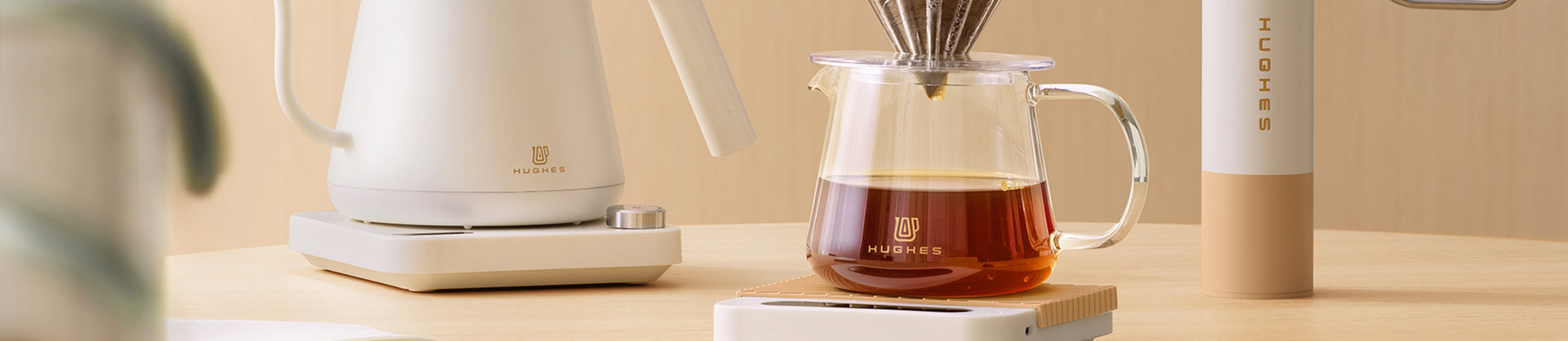
Cleaning an electric kettle with citric acid is one of the safest and most effective ways to remove limescale, mineral deposits, and odor—without damaging the heating element or interior surface. Citric acid dissolves calcium buildup quickly, works on all common kettle materials, and leaves no harsh chemical smell.
Limescale is primarily calcium carbonate. Citric acid reacts with it gently but effectively, breaking it down into water-soluble compounds that rinse away easily.
Key advantages
Food-safe and non-toxic
Effective on stainless steel, glass, and plastic kettles
No strong vinegar odor
Does not corrode heating plates when used correctly
Citric acid powder
Clean water
Soft cloth or sponge
Recommended ratio
1–2 teaspoons of citric acid per 1 liter of water
Fill the kettle with water to about half or two-thirds full, making sure the water level is above the minimum mark.
Add the citric acid powder and swirl gently to dissolve.
Switch the kettle on and allow it to boil normally.
Once it shuts off automatically, do not pour it out immediately.
Let the hot citric acid solution sit inside the kettle for 15–30 minutes.
For heavy scale buildup, soaking up to 45 minutes is acceptable.
During soaking, limescale will loosen and detach from the heating plate and walls.
Carefully pour out the solution.
Rinse the kettle 2–3 times with clean water to remove any remaining acid and loosened residue.
If needed, gently wipe the interior with a soft cloth. Do not scrub the heating plate.
Fill the kettle with clean water and boil once more.
Discard this water. This step removes any lingering taste and ensures the kettle is ready for normal use.
| Water Type | Recommended Frequency |
|---|---|
| Soft or filtered water | Every 4–6 weeks |
| Standard tap water | Every 2–4 weeks |
| Hard water | Every 1–2 weeks |
If your kettle becomes louder or slower, it usually means descaling is overdue.
Increase soaking time, not acid concentration
Repeat the process rather than using more powder
Avoid scraping or abrasive tools
Patience is safer than force.
Do not exceed recommended citric acid amounts
Do not scrub with steel wool or abrasive pads
Do not immerse the kettle base in water
Do not mix citric acid with other cleaners
These actions can damage the kettle or shorten its lifespan.
Stainless steel: Excellent results, no surface damage
Glass: Very effective and visually obvious
Plastic: Safe when used at proper concentration
Citric acid is compatible with all standard electric kettle interiors.
Cleaning an Electric Kettle with citric acid is a safe, efficient, and professional-grade descaling method. With the correct ratio, boiling, soaking, and rinsing steps, you can restore heating efficiency, reduce noise, and extend the kettle’s lifespan.
Regular citric acid cleaning keeps your kettle fast, quiet, and hygienic—without harsh chemicals or strong odors.

 WhatsApp:
 Mobile Phone:
 Contact Now