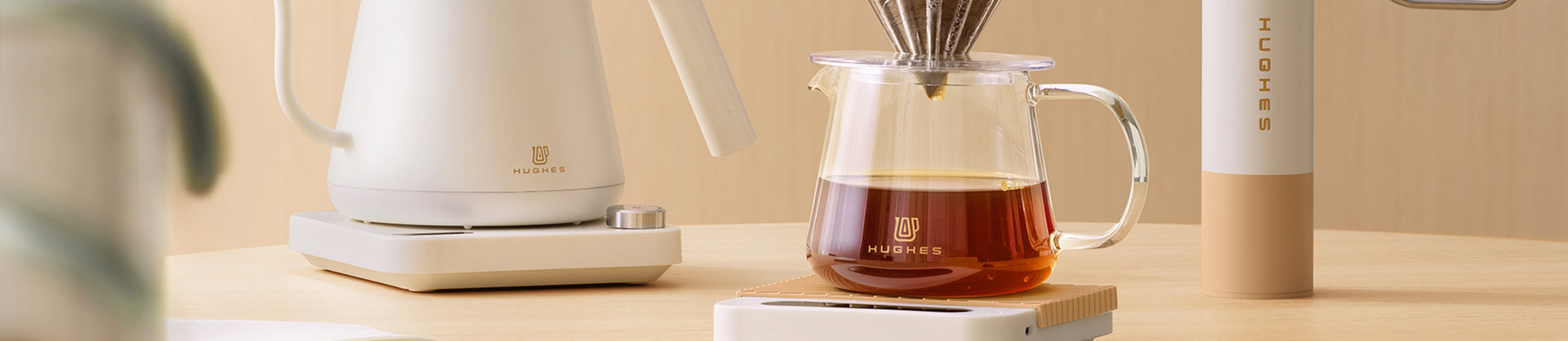
Cleaning an electric kettle pot regularly is essential for maintaining boiling efficiency, water taste, hygiene, and appliance lifespan. The kettle pot refers to the interior body, including the base plate, walls, spout area, and lid. Below is a complete, practical cleaning guide covering daily care, deep cleaning, and problem-specific situations.
During normal use, the kettle pot accumulates:
Limescale from minerals in water
Residue from accidental food or milk use
Odors from standing water
Bacteria buildup if not dried properly
If ignored, these lead to slower boiling, louder operation, bad taste, and premature failure of the heating system.
This should be done every day or every few uses.
Unplug the kettle and let it cool.
Empty any remaining water.
Rinse the interior with clean water.
Leave the lid open to air-dry completely.
This prevents odor, residue buildup, and early limescale formation.
Recommended if you use the kettle daily.
Add warm water with a drop of mild dish soap.
Swirl gently (do not scrub).
Rinse thoroughly 2–3 times with clean water.
Dry with the lid open.
Do not use soap frequently—this is for light cleaning only.
This is the safest and most effective method for all kettle materials.
Citric acid powder
Water
Fill the kettle halfway (above minimum level).
Add 1–2 teaspoons of citric acid per liter of water.
Boil the solution.
Let it sit for 15–30 minutes.
Pour out and rinse thoroughly.
Boil clean water once and discard.
Mix equal parts water and white vinegar.
Boil and soak for 20–30 minutes.
Rinse thoroughly.
Boil clean water once or twice to remove odor.
Vinegar is effective but smells stronger.
The heating plate is the most sensitive area.
Use only soft cloths or sponges
Never scrape or use abrasives
Let descaling solution do the work
Wipe gently after soaking if needed
Scratching the plate reduces efficiency and lifespan.
Minerals often collect here.
Rinse with warm water
Wipe using a soft cloth
For stubborn scale, dip the area into descaling solution briefly
Ensure all parts are fully rinsed before reuse.
If the kettle smells unpleasant:
Fill with water and add 1–2 teaspoons citric acid.
Boil once.
Rinse thoroughly.
Boil clean water and discard.
Avoid masking odors with soap or fragrance.
Do not use steel wool or abrasive pads
Do not scrape the heating plate
Do not immerse the kettle base in water
Do not mix cleaning chemicals
Do not ignore scale buildup
These can permanently damage the kettle.
| Water Type | Deep Cleaning |
|---|---|
| Soft / filtered | Every 4–6 weeks |
| Normal tap water | Every 2–4 weeks |
| Hard water | Every 1–2 weeks |
If boiling becomes noisy or slow, clean sooner.
Cleaning an electric kettle pot is essential routine maintenance. With regular rinsing and periodic descaling using citric acid, the kettle stays fast, quiet, hygienic, and energy-efficient.

 WhatsApp:
 Mobile Phone:
 Contact Now