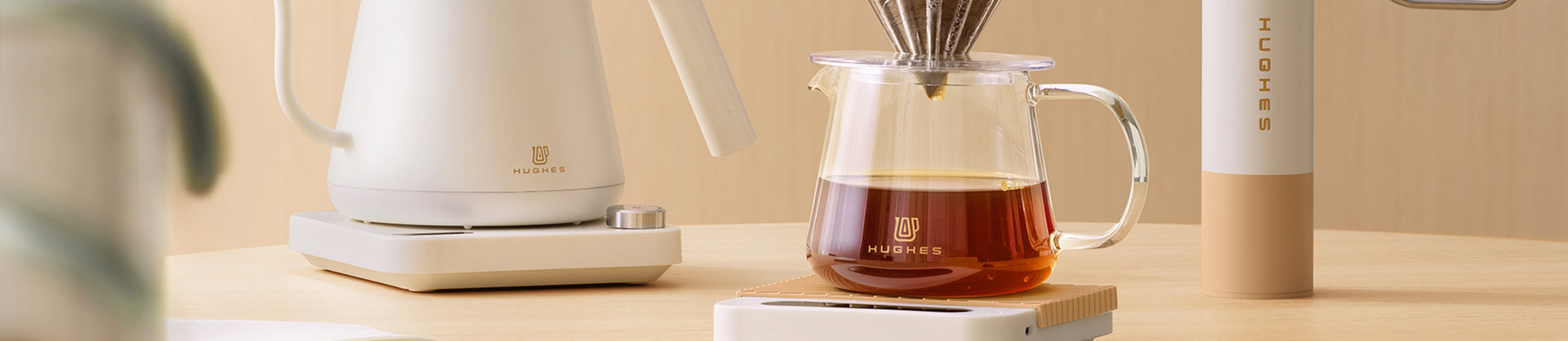
Hard water deposits (limescale) are mineral buildups—mainly calcium and magnesium—that form inside electric kettles over time. If not removed, they slow boiling, increase noise, affect taste, and shorten the kettle’s lifespan. Below is a safe, effective, and repeatable cleaning guide that works for stainless steel, glass, and plastic kettles.
When hard water is heated, dissolved minerals separate and settle on the hottest surfaces—especially the heating plate and lower walls. The harder the water and the more often you boil, the faster deposits accumulate.
Common signs
White or chalky patches inside
Louder boiling or rumbling
Slower heat-up times
Flat or metallic-tasting water
Citric acid is food-safe, effective, and low-odor—ideal for regular maintenance.
Citric acid powder
Clean water
Soft cloth or sponge
Fill the kettle to half or two-thirds, above the minimum mark.
Add 1–2 teaspoons citric acid per liter of water.
Boil the solution.
Let it soak 15–30 minutes after shut-off.
Pour out and rinse 2–3 times.
Boil clean water once and discard.
Tip: For heavy scale, repeat the process rather than increasing concentration.
Use this if citric acid isn’t available. Expect a stronger smell.
Mix equal parts water and white vinegar.
Fill the kettle halfway.
Boil, then soak 20–30 minutes.
Empty and rinse thoroughly.
Boil clean water once or twice to remove odor.
Best for early buildup.
Mix 3 parts water : 1 part lemon juice.
Boil and soak 30 minutes.
Rinse well and boil clean water once.
Let the descaling solution do the work.
Wipe gently with a soft cloth after soaking if needed.
Do not scrape or use abrasives—this damages the plate and reduces efficiency.
| Water Type | Descale Frequency |
|---|---|
| Soft / filtered | Every 4–6 weeks |
| Standard tap | Every 2–4 weeks |
| Hard water | Every 1–2 weeks |
Clean sooner if the kettle gets louder or slower.
Don’t use steel wool or abrasive pads
Don’t scrape the heating plate
Don’t mix cleaners together
Don’t immerse the kettle base in water
Don’t ignore persistent noise or slow boiling
Empty the kettle after each use
Avoid leaving water standing overnight
Use filtered water when possible
Descale regularly before heavy buildup forms
Hard water deposits are inevitable, but easy to manage. Citric acid descaling every few weeks keeps your electric kettle fast, quiet, efficient, and long-lasting. Regular maintenance beats heavy cleanup—and protects the heating element for years of reliable use.

 WhatsApp:
 Mobile Phone:
 Contact Now