

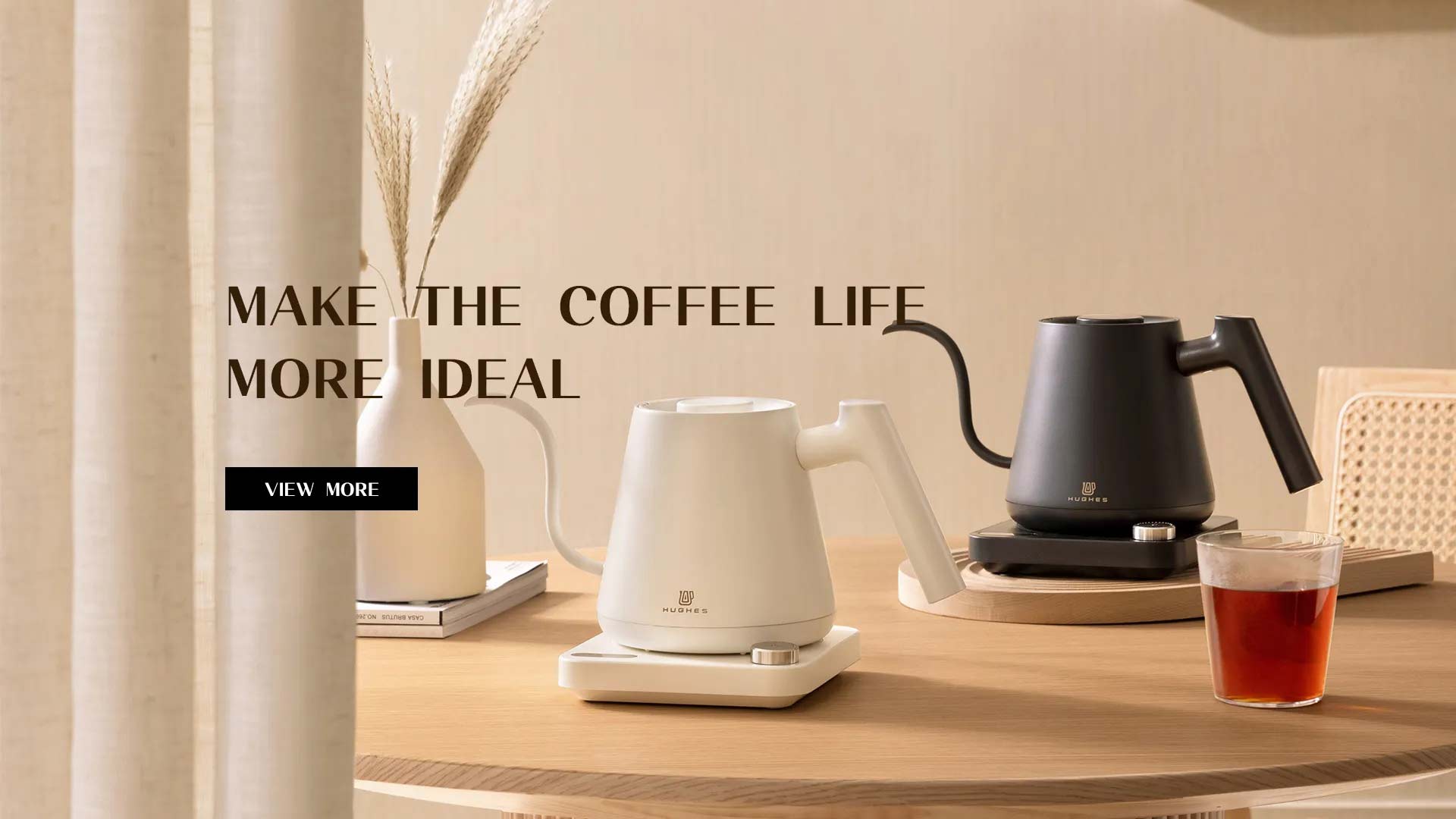
Electric kettles are traditionally associated with boiling water for coffee or tea. However, modern stainless steel electric kettles with controlled heating systems are increasingly used for preparing light soups, instant broths, and quick hot meals in small kitchens, dormitories, hotel rooms, and office environments.
From a manufacturer’s perspective, using an electric kettle for soup preparation requires attention to material safety, heating system stability, temperature control accuracy, and cleaning structure design. These factors determine whether the appliance performs safely and consistently under food-contact conditions.
As a professional electric kettle manufacturer with structured production control and ISO9001-certified quality systems, Hughes Coffee develops Stainless Steel kettles engineered for controlled heating, food-grade material compliance, and reliable bulk supply for global markets.
Can You Make Soup In An Electric Kettle?
Yes — but only if the kettle is designed for direct food contact and equipped with:
Food-grade stainless steel interior
Stable heating base
Accurate temperature control
Automatic shut-off protection
Easy-clean internal structure
Electric kettles built purely for boiling water may not support repeated direct food heating if internal coatings or heating elements are not engineered for broader thermal applications.
Material standards and internal structure design are critical.
Basic Method: Making Simple Soup In An Electric Kettle
Step 1: Add Ingredients
Place water and soup ingredients directly into the kettle. Suitable options include:
Instant soup mixes
Powdered broth
Small cut vegetables
Pre-cooked ingredients
Noodles or light grains
Avoid thick sauces or heavy oils that may stick to the heating base.
Step 2: Set Temperature (If Adjustable)
Modern kettles with temperature control allow safer soup preparation.
If adjustable:
Heat to 90–100°C
Avoid prolonged dry heating
Monitor boiling cycle
If non-adjustable:
Allow full boil
Stir carefully
Disconnect power once heated
Controlled heating prevents overboiling and reduces residue buildup.
Step 3: Stir Carefully
Use a non-metallic utensil to prevent surface scratching.
Avoid scraping heating elements or welded seams.
Uniform stirring ensures even heating and reduces localized overheating.
Step 4: Clean Immediately After Use
After soup preparation:
Rinse with warm water
Use mild detergent
Avoid abrasive tools
Dry thoroughly
Proper cleaning extends product lifespan and maintains food safety.
Why Material Standards Matter For Soup Preparation
When electric kettles are used for direct food heating, internal materials must meet strict food-contact standards.
High-quality kettle manufacturing typically includes:
Food-grade 304 stainless steel interior
BPA-free plastic components
Controlled welding processes
Seam integrity inspection
Heat-resistant sealing components
Inferior material selection may lead to:
Surface discoloration
Metallic taste
Long-term corrosion
Reduced thermal stability
Manufacturing control determines whether the kettle can safely handle expanded usage beyond water boiling.
Manufacturing Process Overview
Reliable electric kettle performance begins in production.
A structured manufacturing process includes:
Raw material verification (stainless steel grade confirmation)
Laser welding precision control
Automatic polishing and cleaning lines
Heating element integration
Temperature control calibration
Electrical safety testing
Final assembly in dust-free environments
Integrated production ensures stable heating efficiency and consistent internal surface quality across bulk orders.
Manufacturer-level control provides repeatable performance in mass supply.
Quality Control Checkpoints Relevant To Cooking Use
For electric kettles intended for broader food preparation, critical inspection points include:
Stainless steel thickness consistency
Weld seam inspection
Heating element temperature stability
Automatic shut-off reliability
Leakage testing
Electrical insulation verification
Structured quality checkpoints ensure safe performance under repeated heating cycles.
ISO9001-based quality management supports systematic inspection procedures.
Manufacturer vs Trader: Why Production Control Matters
Electric kettles sourced through traders may originate from multiple upstream factories, resulting in:
Inconsistent material grade
Heating element variation
Uneven welding quality
Temperature control deviation
For distributors, retailers, or project buyers, inconsistency increases return rates and brand risk.
Working directly with a manufacturer provides:
Stable production parameters
In-house R&D support
Controlled assembly processes
Batch traceability
Repeatable bulk production
Manufacturing oversight protects product safety and long-term durability.
OEM / ODM Process For Electric Kettle Projects
For buyers requiring customized electric kettle solutions, structured OEM or ODM support may include:
Voltage customization (110V / 220V)
Temperature control programming
Capacity adjustments
Surface finish options
Logo and packaging design
Compliance labeling for export markets
A typical OEM process involves:
Technical requirement review
Prototype confirmation
Performance validation
Certification preparation
Mass production implementation
ODM capability allows development of differentiated product features based on existing stable platforms.
Integrated engineering ensures custom features do not compromise safety.
Bulk Supply Considerations
When sourcing electric kettles for distribution or hospitality projects, evaluate:
Monthly production capacity
Heating element stability
Certification documentation
Spare parts availability
Lead time reliability
Packaging protection
Bulk orders require stable repeatability across batches.
Manufacturing discipline reduces performance variation and warranty risk.
Export Market Compliance
Electric kettles intended for international markets must meet:
Electrical safety standards
Material food-contact compliance
Insulation testing requirements
Thermal protection standards
Market-specific certification protocols
Export readiness depends on documented quality systems and structured testing.
Manufacturers with integrated production and certification management provide stronger compliance support.
Strategic Perspective
Using an electric kettle to make soup reflects the expanding functionality of modern small appliances. However, safe and stable performance depends on controlled heating design, food-grade material standards, and disciplined production processes.
For distributors and bulk buyers, selecting a manufacturer with structured R&D, ISO-certified quality management, and stable export experience reduces operational risk and strengthens market positioning.
Conclusion
To make soup in an electric kettle, add suitable ingredients, heat carefully, stir safely, and clean thoroughly. The process is simple, but long-term appliance performance depends on material quality, heating stability, and manufacturing precision.
By sourcing from a manufacturer with controlled production processes, structured quality checkpoints, and strong OEM/ODM capability, buyers can ensure reliable electric kettle performance across diverse consumer applications and international markets.

 WhatsApp:
 Mobile Phone:
 Contact Now