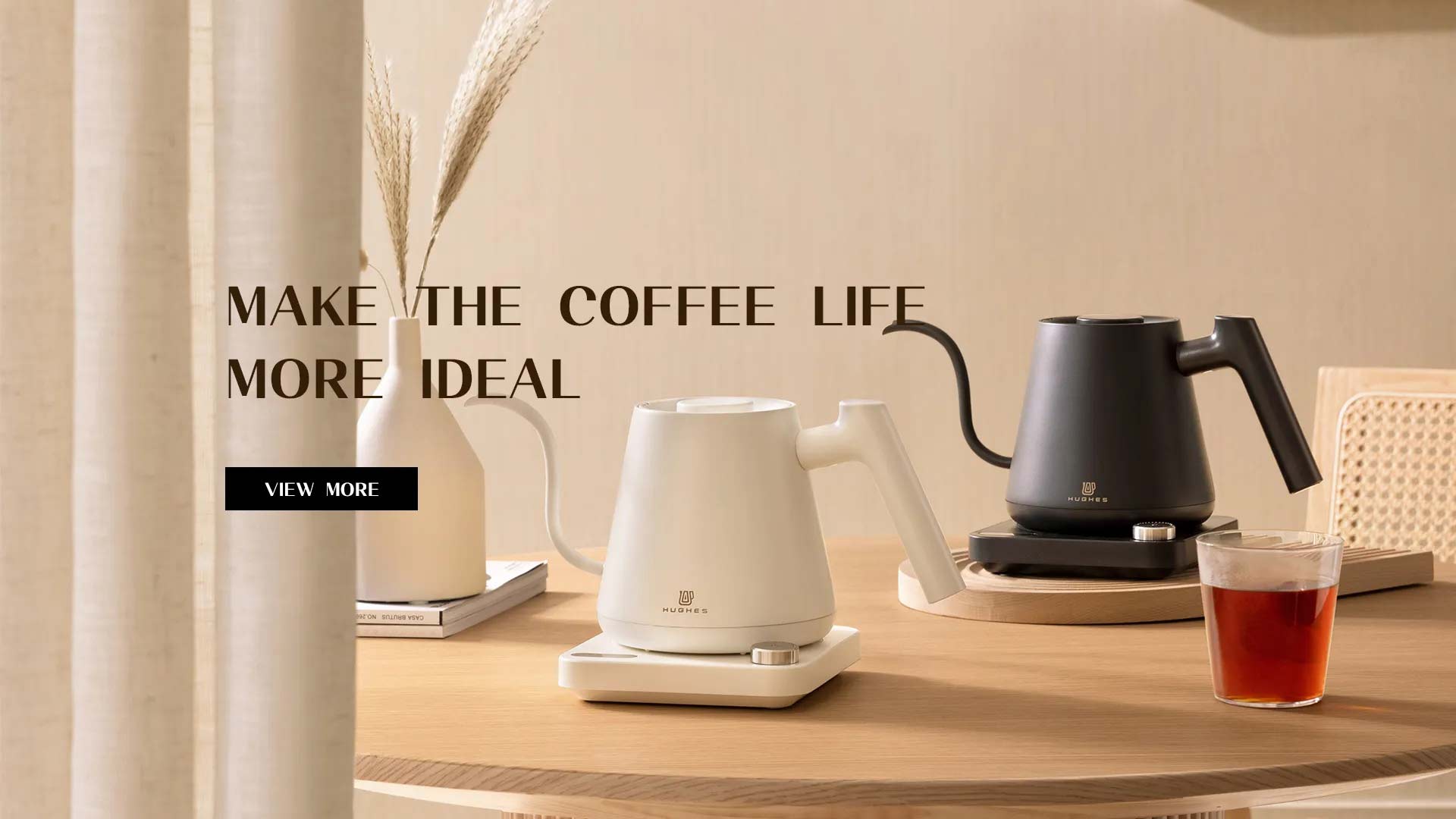
The search for the most economical electric kettle often leads buyers toward products balancing energy efficiency, build quality, and long-term durability. For commercial buyers, bulk procurement specialists, and project sourcing teams, the definition of “economical” extends beyond price alone: it encompasses manufacturing transparency, material standards, quality control rigour, and export compliance readiness.
When evaluating electric kettles, the distinction between manufacturer and trader is fundamental for cost efficiency and supply chain reliability:
Manufacturer: Controls production processes, material sourcing, tooling, and factory quality systems. This direct oversight enables stable pricing, traceable quality checkpoints, and scalable capacity for bulk orders.
Trader (Middleman): Acts primarily as an intermediary between factories and buyers, often without direct control over production quality or lead times. While markup may appear competitive, visibility into manufacturing standards is limited.
For seasoned project buyers and procurement teams, partnering directly with a manufacturer reduces ambiguity in production details such as certification processes, material compliance, and quality checkpoints.
A robust OEM / ODM process is a core capability that differentiates leading manufacturers from general suppliers. In electric kettle production, structured OEM/ODM workflows typically include:
Prototype and Concept Review – Design validation and feasibility assessment with engineering teams.
Tooling and Sample Production – Custom moulding and prototype iterations to lock shape, capacity, and ergonomic design.
Pre-Production Testing – Functional, safety, and performance testing before mass production.
Bulk Manufacturing Launch – Scaling production only after final design approvals.
Final QA and Packaging Customization – Tailored product packaging, logo engraving, or accessory bundling per buyer requirements.
This OEM / ODM structure not only ensures that the electric kettle meets technical expectations but also solidifies its position as a cost-effective, tailor-designed product for target markets.
When evaluating suppliers for bulk electric kettle procurement, several factors dictate cost efficiency and supply confidence:
Factory Capacity: Ability to handle large batch orders without sacrificing production timelines.
Minimum Order Quantity (MOQ): Structured MOQs that align with project budgets and inventory strategies.
Lead Time Transparency: Clear timeline commitments from production start to finished goods.
Custom Packaging and Compliance: Options for region-specific labelling and export-ready cartons without additional turnaround delays.
Presence of a well-equipped facility and production automation directly correlates with stable bulk pricing and dependable supply.
A comprehensive manufacturing workflow adds value that defines the overall cost-to-benefit ratio for an electric kettle:
Raw Material Procurement: Selection and testing of electrical components and housing materials that satisfy international safety and longevity standards.
Machining and Assembly: Use of laser welding, precision machining, and automated assembly lines to enforce consistent build quality.
Functional Calibration: Performance tuning for temperature accuracy, safety cutoff mechanisms, and ergonomic switches.
Surface Finishing and Visual Quality: Quality visual finishes and corrosion-resistant treatments to extend product life cycle.
Such details underpin the longevity and reliability that make an electric kettle truly economical over its lifecycle.
Rigorous QC systems are non-negotiable for products intended for global markets. Typical checkpoints include:
Incoming Material Inspection: Verification of materials before production begins.
In-Process Monitoring: Real-time supervision of critical stages such as welding integrity, electrical junction points, and housing fit.
Functional Testing: Safety cut-off tests, boil-dry protection, and power consumption validation.
Final Visual and Operational Inspection: Complete unit testing, packaging integrity checks, and certification confirmation.
Suppliers with certified quality systems and traceable QC procedures allow buyers to mitigate risk and uphold their own procurement standards.
Economical electric kettles must adhere to defined material standards that influence performance and export eligibility:
Electrical Grades and Insulation Materials: Selection of high-temperature insulation and UL/CE compatible internals.
Stainless Steel and Food-Safe Components: Use of grades such as 304 stainless steel for internal water contact surfaces where applicable.
Heat-Resistant Plastics: Durable plastics meeting international heat tolerances that prevent deformation and ensure operator safety.
Understanding material grades used throughout the design and production lifecycle helps procurement teams benchmark products against industry expectations.
For international buyers, electrics intended for global distribution must meet the regulatory frameworks of target regions. Essential considerations include:
Electrical Safety Certifications: Compliance with region-specific standards such as GS, LVD, EMC, CB, ROHS, and other mandated labels.
Documentation Readiness: Availability of test reports and compliance certificates required by customs and regulatory bodies.
Packaging and Labelling Standards: Export-compliant labelling that reflects safety marks and origin declarations without delay.
Ready compliance facilitates smoother customs clearance and supports bulk deployments in both retail and commercial environments.
An electric kettle can be economical in price yet fail to deliver long-term value if production transparency, material quality, quality control, and compliance readiness are unknown. By partnering directly with a manufacturer equipped with structured OEM/ODM processes, clear material standards, and robust QC checkpoints, buyers can secure products that perform reliably while supporting bulk supply strategies and export market demands. Proactive sourcing that prioritizes factory capability and compliance eliminates risk and ultimately delivers the lowest total cost of ownership.

 WhatsApp:
 Mobile Phone:
 Contact Now