
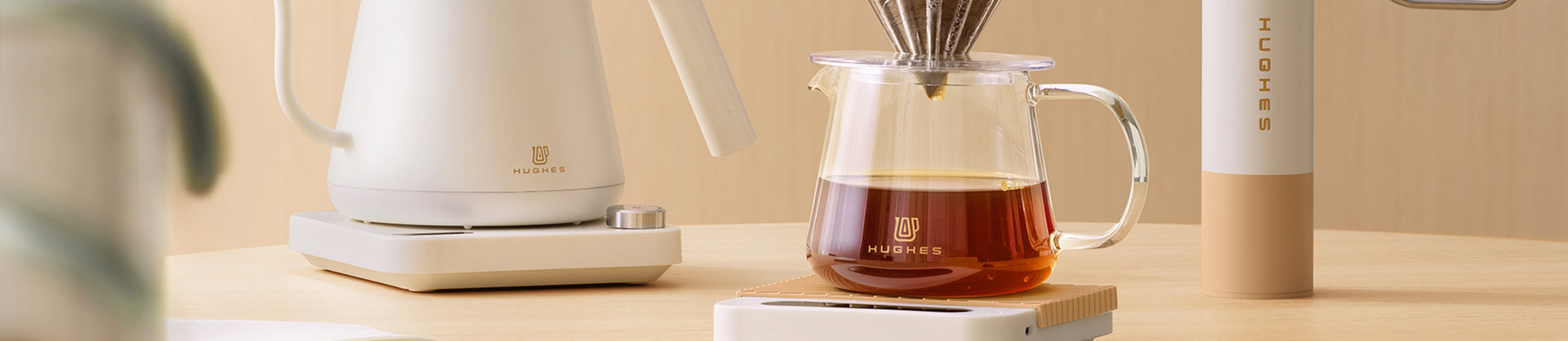

Salt residue can sometimes build up inside an electric kettle when mineral-rich water evaporates or when salt accidentally enters the kettle during use. Removing salt deposits is important to maintain heating efficiency, prevent corrosion, and keep water taste clean. Fortunately, cleaning an electric kettle is simple when the correct method is used.
Rinse And Dissolve The Salt
If the salt deposit is light, the first step is to rinse the kettle with warm water. Fill the kettle halfway with clean water, gently swirl the water around the interior, and pour it out. This helps dissolve loose salt crystals and removes surface residue.
Repeat the process several times until the visible salt particles are gone.
Use Vinegar Solution For Mineral Residue
If salt residue has combined with mineral scale from water, a vinegar cleaning solution can help remove the buildup.
Fill the kettle halfway with a mixture of water and white vinegar.
Turn on the kettle and allow the solution to heat until warm or near boiling.
Turn off the kettle and let the solution sit inside for about 20 minutes.
Pour out the liquid and rinse the kettle thoroughly with clean water.
The mild acidity of vinegar helps dissolve mineral deposits and restore the kettle interior.
Baking Soda Cleaning Method
Another method uses baking soda to remove salt and scale buildup.
Add one teaspoon of baking soda to the kettle filled with water and allow it to warm up slightly. After the solution sits for several minutes, gently rinse the kettle several times with fresh water.
This method helps neutralize residue and remove remaining particles.
Important Cleaning Tips
Do not scrub the interior with metal tools that may scratch the surface.
Always rinse the kettle thoroughly after cleaning.
Avoid leaving salt or other substances inside the kettle for long periods.
Regular cleaning helps maintain heating efficiency and keeps the kettle safe for daily beverage preparation.
Manufacturing And Material Considerations
High-quality electric kettles are designed with materials that resist corrosion and allow easy cleaning. Many models use food-grade stainless steel interiors and smooth surface finishes that reduce residue buildup.
Manufacturers such as HUGHES produce electric kettles and coffee brewing tools designed for durability and daily use. Their kettle products often include stainless steel interiors, temperature control features, and safety systems such as automatic shut-off and boil-dry protection.
Conclusion
Salt can be removed from an electric kettle by rinsing with warm water or using mild cleaning solutions such as vinegar or baking soda. Regular maintenance and proper cleaning help protect the kettle interior, maintain heating efficiency, and ensure clean-tasting hot water for tea and coffee preparation.

 WhatsApp:
 Mobile Phone:
 Contact Now