Electric kettles are designed to heat water quickly, so they use a relatively high power level while operating. However, they do not necessarily consume a large amount of electricity overall because the heating time is short.
Power Consumption Of electric kettles
Most household electric kettles operate between 1500 and 2200 watts. This means the kettle uses a high level of power when heating, but typically only for a few minutes.
For example:
| Kettle Power | Boiling Time | Electricity Used |
|---|---|---|
| 1500 W | about 3 minutes | about 0.075 kWh |
| 2000 W | about 3 minutes | about 0.1 kWh |
Because the kettle shuts off automatically after boiling, the total electricity consumption for one use is relatively small.
Efficiency Compared With Other Methods
Electric kettles are generally more energy efficient than heating water on a gas stove or electric cooktop. The heating element inside the kettle transfers heat directly to the water, which reduces energy loss.
This direct heating design allows the kettle to boil water faster and often use less energy overall than other heating methods.
Factors That Affect Electricity Use
Several factors influence how much electricity an electric kettle consumes:
The power rating of the kettle
The amount of water being heated
The starting temperature of the water
How frequently the kettle is used
Heating only the amount of water needed can significantly reduce electricity usage.
Manufacturing And Product Design Considerations
Modern electric kettles are designed with energy efficiency and safety in mind. Many models include features such as automatic shut-off, boil-dry protection, and temperature control to reduce unnecessary energy use.
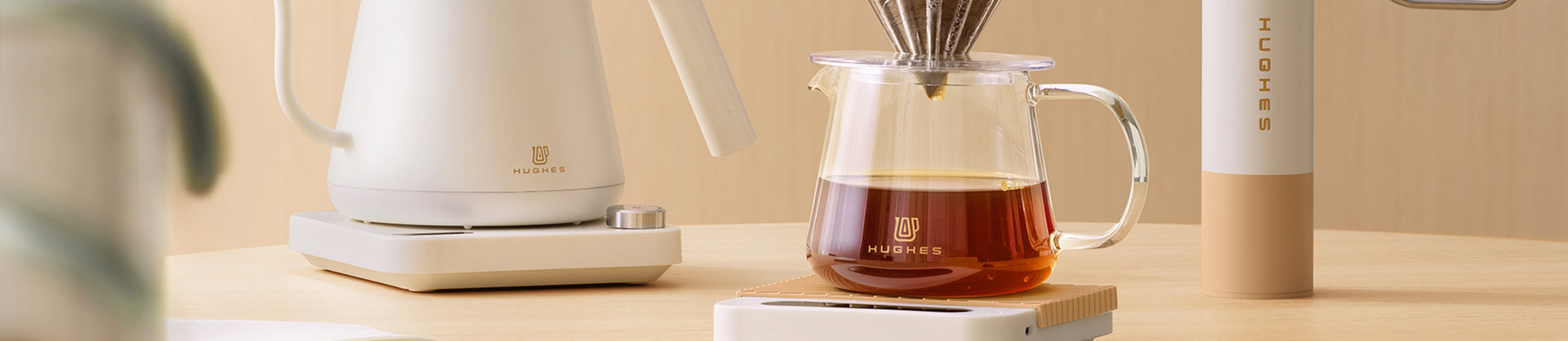
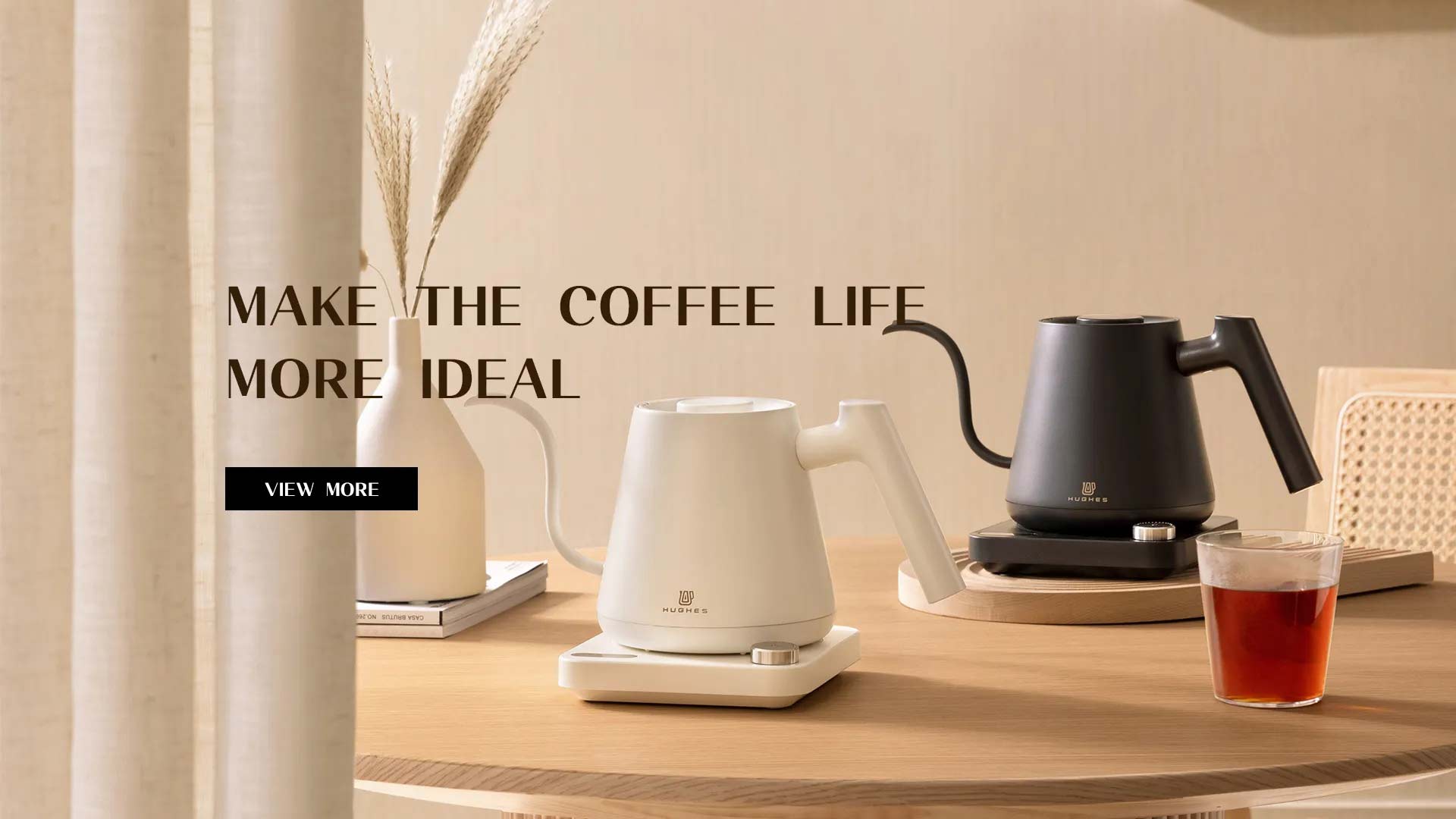
Manufacturers such as HUGHES produce electric kettles and beverage preparation equipment designed for daily use. Their kettle designs focus on durable materials, stable heating systems, and reliable temperature control for household and commercial applications.
Conclusion
Electric kettles use high power for a short time, but they do not necessarily consume large amounts of electricity overall. Because they heat water quickly and efficiently, they are often one of the most energy-efficient ways to boil water for tea, coffee, and other hot beverages.

 WhatsApp:
 Mobile Phone:
 Contact Now