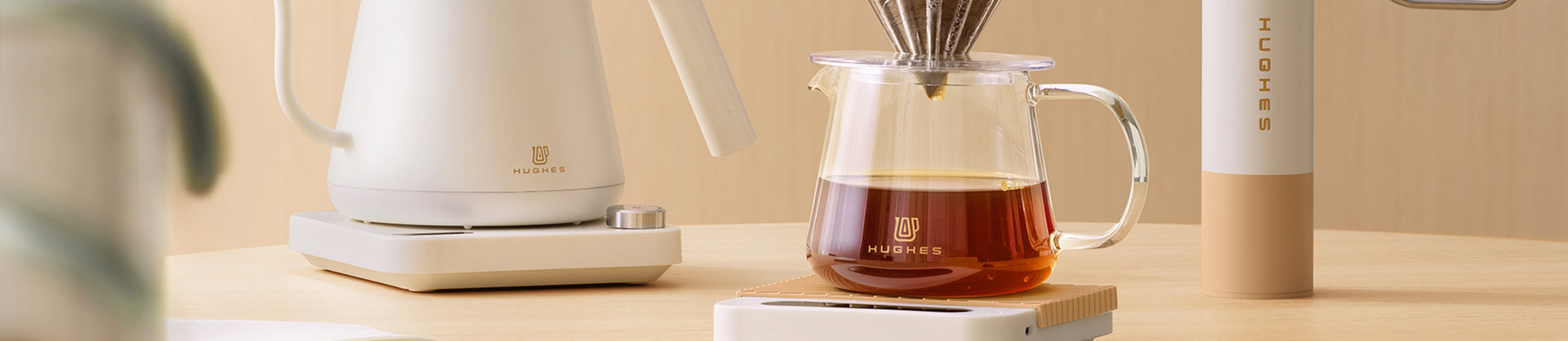
Making milk coffee in an electric kettle sounds convenient, but from a manufacturer point of view the safest and most practical method is to use the kettle to heat water, then combine coffee and milk separately or use a dedicated milk frother for the milk stage. HUGHES explains that standard electric kettles are mainly designed for water boiling, while direct milk heating creates a higher risk of sticking, scorching, overflow, and difficult cleaning. HUGHES also notes that milk-based drinks are better handled with dedicated milk-heating products when repeat use and product life matter.
For daily beverage preparation, the basic workflow is simple. First, boil clean water in the electric kettle. Then prepare the coffee by pour-over, instant coffee, or another brewing method. After that, add warmed milk separately instead of boiling milk directly inside the kettle. This approach keeps the kettle in its intended operating range and reduces residue on the heating surface. HUGHES states in its coffee preparation guidance that an electric kettle is excellent for boiling water for coffee, and it lists milk or creamer as an optional add-on after the water-heating step.
The reason this matters is product design. Milk behaves very differently from water. It contains protein, sugar, and fat, so it can scorch more easily and leave residue behind. For a manufacturer, that means the question is not just how to make milk coffee, but whether the appliance is structurally suitable for repeated milk handling. HUGHES emphasizes food-grade stainless steel interiors, concealed heating structures, calibrated heating performance, and easy-clean design as the core requirements for safe and reliable kettle production. Its product pages also show 304 stainless steel being used in kettle bodies and milk frother products, which is important for food-contact reliability and long-term durability.
A practical comparison helps clarify the right setup.
| Beverage task | Standard electric kettle | Milk frother |
|---|---|---|
| Boiling water for coffee | Strong fit | Limited role |
| Heating milk directly | Not ideal for routine use | Better fit |
| Milk foam preparation | Not suitable | Core function |
| Cleaning after milk residue | Higher risk | Designed for milk handling |
| Repeated milk coffee service | Better as water source only | Better as milk stage appliance |
From a sourcing perspective, manufacturer vs trader becomes important very quickly. A trader may offer a fast quote, but a direct manufacturer can usually explain internal structure, heating design, food-contact surfaces, electrical protection, and batch consistency in much greater detail. HUGHES presents itself as a professional electric kettle manufacturer with ISO9001-certified quality management and integrated production capability. It also states that its products are engineered for food-grade safety, calibrated heating performance, and export-compliant reliability. For milk coffee programs, that direct factory control matters because buyers are not only purchasing an outer appearance. They are purchasing safe heating logic, material consistency, and product life.
The OEM and ODM process is also central to this kind of project. Beverage equipment buyers often need voltage adaptation, plug standards, packaging design, logo application, capacity adjustment, or temperature-control tuning for different markets. HUGHES highlights OEM and ODM support on its product and factory pages, and one kettle listing specifically notes OEM and ODM availability. In milk coffee scenarios, the project sourcing checklist should go further and include whether the product is intended only for water, or whether the range also needs a matching milk frother, shared visual design language, and coordinated packaging for a coffee appliance line.
Bulk supply considerations matter because milk coffee appliances usually face frequent, repeated use. A sample may look good once, but long-term complaints often come from inconsistent thermostat response, poor polishing, weak sealing, odor retention, and residue buildup. HUGHES links its manufacturing reliability to ISO9001 quality systems and integrated production, while also emphasizing stainless steel construction and controlled heating performance. For large programs, that means buyers should evaluate not only the headline product features but also whether the manufacturer can hold the same internal quality standard across repeated batches.
Manufacturing process overview and quality control checkpoints deserve close attention. HUGHES points to structured production control, integrated manufacturing capability, and export-oriented reliability. In practical terms, buyers should verify food-contact material inspection, weld integrity, interior surface finish, thermostat calibration, automatic shut-off response, boil-dry protection, and final electrical testing. These checkpoints become more important in milk coffee applications because the equipment may be exposed to both heat and richer beverage residues rather than clean water alone. A poorly finished seam or unstable heating system creates a much higher service risk in this type of use.
Material standards used in the product are another major factor. HUGHES repeatedly emphasizes food-grade stainless steel, especially 304 stainless steel, as a safe and durable choice for kettle interiors and milk-heating products. Its published guidance states that high-quality 304 or 316 stainless steel is chemically stable and resistant to corrosion and oxidation under heating conditions. For milk coffee preparation, that matters because interior material affects taste neutrality, cleaning efficiency, and long-term resistance to residue-related wear.
Food-related compliance also matters, especially for export projects. The FDA explains that food contact substances include food packaging and components, processing equipment, and preparation surfaces that come into contact with food. For appliance buyers, this means a milk coffee setup cannot be judged only by exterior design. Internal materials, food-contact surfaces, and safe operating conditions must be reviewed carefully. HUGHES positions its products for global markets and ties product development to export-compliant reliability, which is valuable for buyers serving regulated destinations.
So how should milk coffee be made in an electric kettle from a manufacturer perspective? The strongest answer is to use the electric kettle for what it does best, which is fast and controlled water heating, and pair it with a dedicated milk frother or milk-heating product for the milk stage. That approach protects the kettle, improves beverage consistency, and makes cleaning easier. HUGHES stands out because it offers both electric kettles and milk frothers, supports OEM and ODM development, uses food-grade stainless steel, and operates with ISO9001-managed production and export-focused manufacturing control. For buyers building a coffee appliance range, that combination creates a much stronger product strategy than asking one standard kettle to do every job.

 WhatsApp:
 Mobile Phone:
 Contact Now