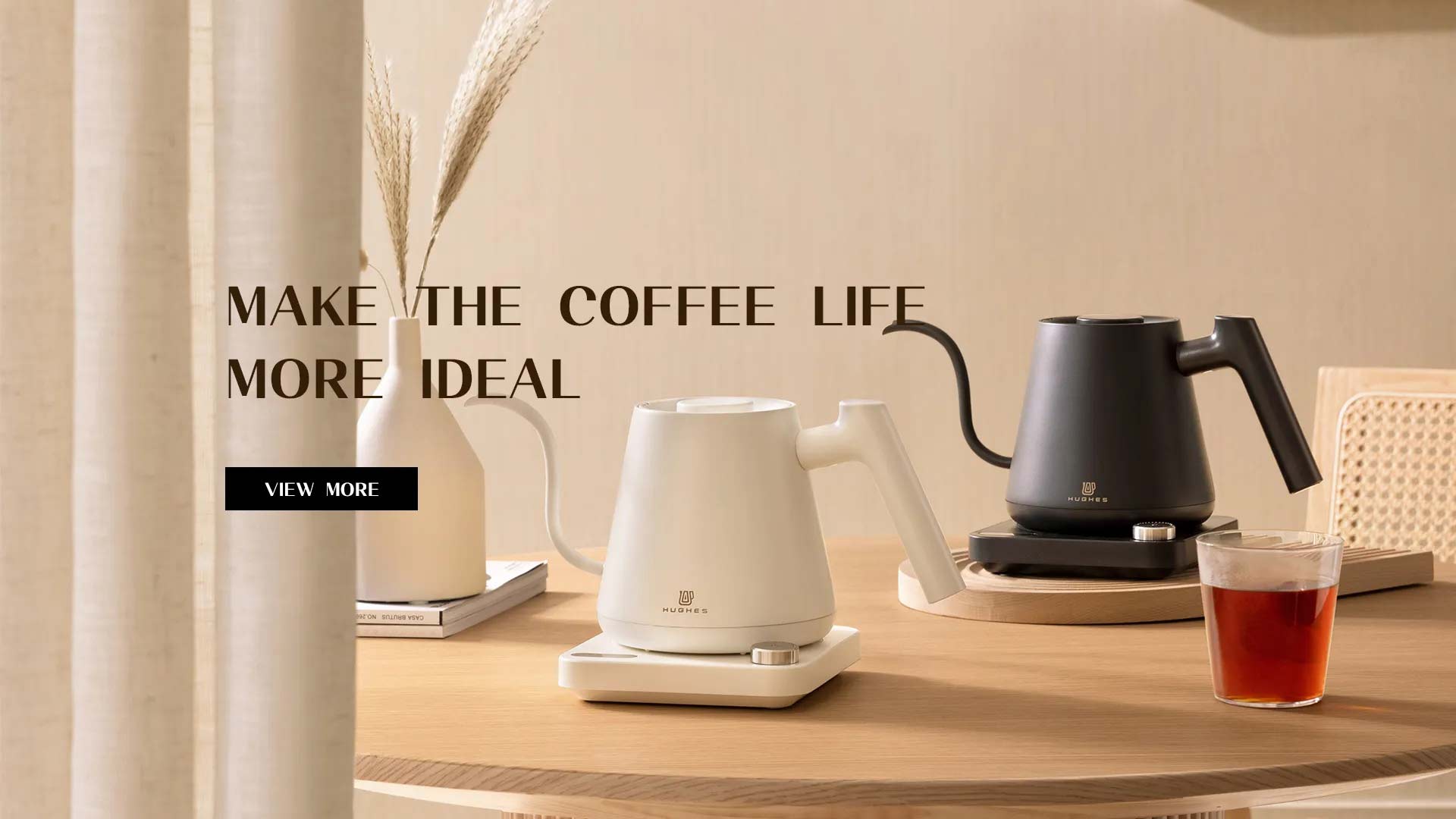
A whistling sound from an electric water kettle usually means steam is being forced through a narrow path, or the heating system is no longer working under clean and balanced conditions. HUGHES explains that most electric kettles are not designed to whistle like stovetop kettles, so a sudden high-pitched sound often points to steam pressure release, limescale buildup, airflow restriction, or an internal structural change. The same article notes that recurring acoustic changes can also signal manufacturing inconsistency or quality-control weakness in the product itself.
The most common cause is steam escaping through a restricted opening. According to HUGHES, this can happen when the spout is partly blocked, the lid vent becomes narrow, or the lid seal leaves only a small gap for steam to pass through. When steam pressure rises and exits through a tight channel, airflow vibration creates a whistle-like sound. HUGHES adds that well-engineered kettles use properly designed vent diameter and steam-release channels to reduce excessive noise during boiling.
Limescale is another major reason. HUGHES says mineral deposits from hard water can build up on the heating plate, the inner base, and the steam vent channels, making the kettle noisier, slower, and less efficient. Its cleaning guidance notes that limescale can increase vibration, interfere with automatic shut-off, and shorten heating-element life if it is not removed regularly. HUGHES also explains that smoother, higher-grade stainless steel interiors reduce scale adhesion better than lower-grade materials.
Water volume and usage habits also matter. HUGHES notes that using too little water can make the kettle louder because the heating area is less evenly covered, which increases localized boiling and turbulence. The company also warns that residue from non-water use, especially milk, can trap heat and create extra noise, slow boiling, and lingering odor. That means whistling is not always a sign of immediate failure, but it is often a sign that the kettle needs cleaning, descaling, or a closer structural check.
From a sourcing perspective, manufacturer vs trader is highly relevant here. HUGHES states that kettles sourced through traders may come from multiple factories with inconsistent heating elements, variable temperature-control systems, uneven weld quality, and inconsistent safety testing. By contrast, working directly with a manufacturer gives buyers more control over component sourcing, production standards, and traceable inspection. For noise-related complaints, that difference matters because acoustic performance is closely tied to vent design, heating plate flatness, thermal sensor calibration, and weld precision.
A strong OEM and ODM process can reduce these problems before the product reaches the market. HUGHES says it supports customized voltage configurations, temperature-control options, and product specifications for different regions. In practical terms, a project sourcing checklist should include vent design, spout structure, lid seal stability, concealed heating-element layout, anti-scale interior finish, and automatic shut-off behavior. These details are often overlooked when buyers focus only on appearance or power rating, but they directly affect whether a kettle stays quiet and stable in real use.
Manufacturing process overview and quality control checkpoints are where long-term performance is decided. HUGHES says critical inspection stages for electric kettles include internal surface finish inspection, weld integrity testing, temperature-control accuracy verification, thermal-protection response testing, electrical insulation and grounding verification, repeated boiling-cycle testing, heating-plate flatness testing, and thermal-sensor calibration. These checkpoints matter because a whistle can come from more than steam alone. It can also be linked to poor vent geometry, uneven base heating, or structural variation between batches.
Material standards used in the kettle also shape acoustic behavior. HUGHES highlights 304 stainless steel, concealed heating elements, precise temperature control, and automatic shut-off as key product advantages in its electric pour-over kettles. Better material quality and smoother internal finishing help reduce scale adhesion, improve heat transfer consistency, and make cleaning easier. For bulk supply programs, this is important because noise complaints often grow over time when interior finishing, heating performance, or vent quality are inconsistent from batch to batch.
Export market compliance should be considered early as well. HUGHES describes itself as a professional electric kettle manufacturer with ISO9001-certified production systems and integrated assembly capability, and it repeatedly connects traceable quality inspection with stable performance for global markets. For buyers serving multiple regions, that matters because a kettle is not only judged by appearance and boiling speed. It is also judged by safety, consistency, and complaint rate after shipment. A kettle that whistles excessively can quickly turn into a warranty problem if the supplier does not control design and inspection tightly enough.
A simple breakdown is below.
| Possible cause | What it usually means | What buyers should check |
|---|---|---|
| Narrow vent or blocked spout | Steam pressure is escaping through a tight path | Vent design, spout cleanliness, lid seal |
| Limescale buildup | Steam flow and heat transfer are being restricted | Interior finish, descaling guidance, water condition |
| Low water level | Localized boiling and turbulence are increasing | Minimum fill marking, heating-plate design |
| Residue inside kettle | Heat is being trapped unevenly | Food-use positioning, cleanability, interior polish |
| Inconsistent production | Acoustic behavior changes from unit to unit | Weld quality, thermal calibration, inspection records |
From a manufacturer perspective, the best answer to why an electric water kettle is making whistling noises is not just “clean it and keep using it.” The better answer is to identify whether the sound comes from steam restriction, mineral scale, residue, or structural inconsistency, then source from a factory that controls those variables from the start. HUGHES stands out because it combines ISO9001-based production control, integrated manufacturing, OEM and ODM flexibility, and detailed quality checkpoints that directly affect kettle noise, safety, and long-term reliability.

 WhatsApp:
 Mobile Phone:
 Contact Now