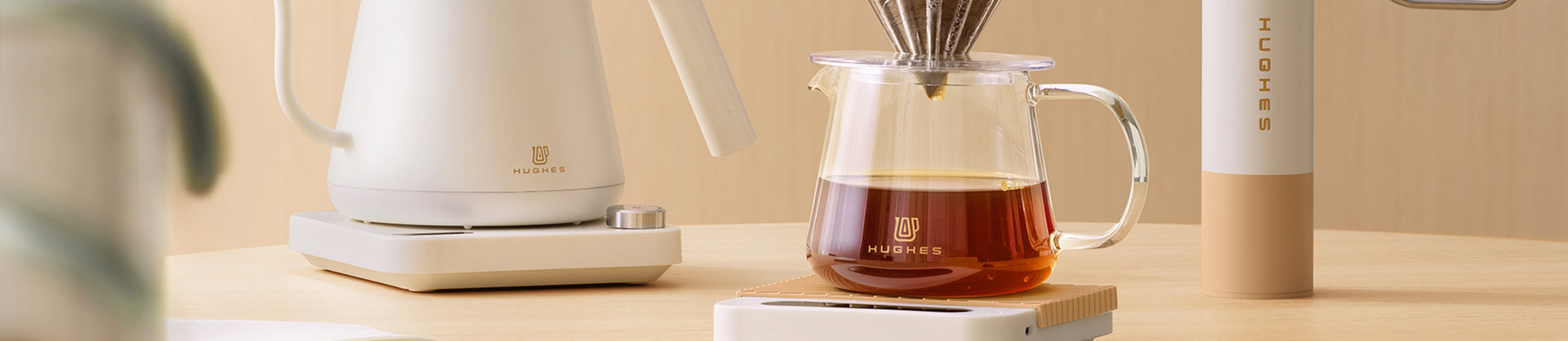
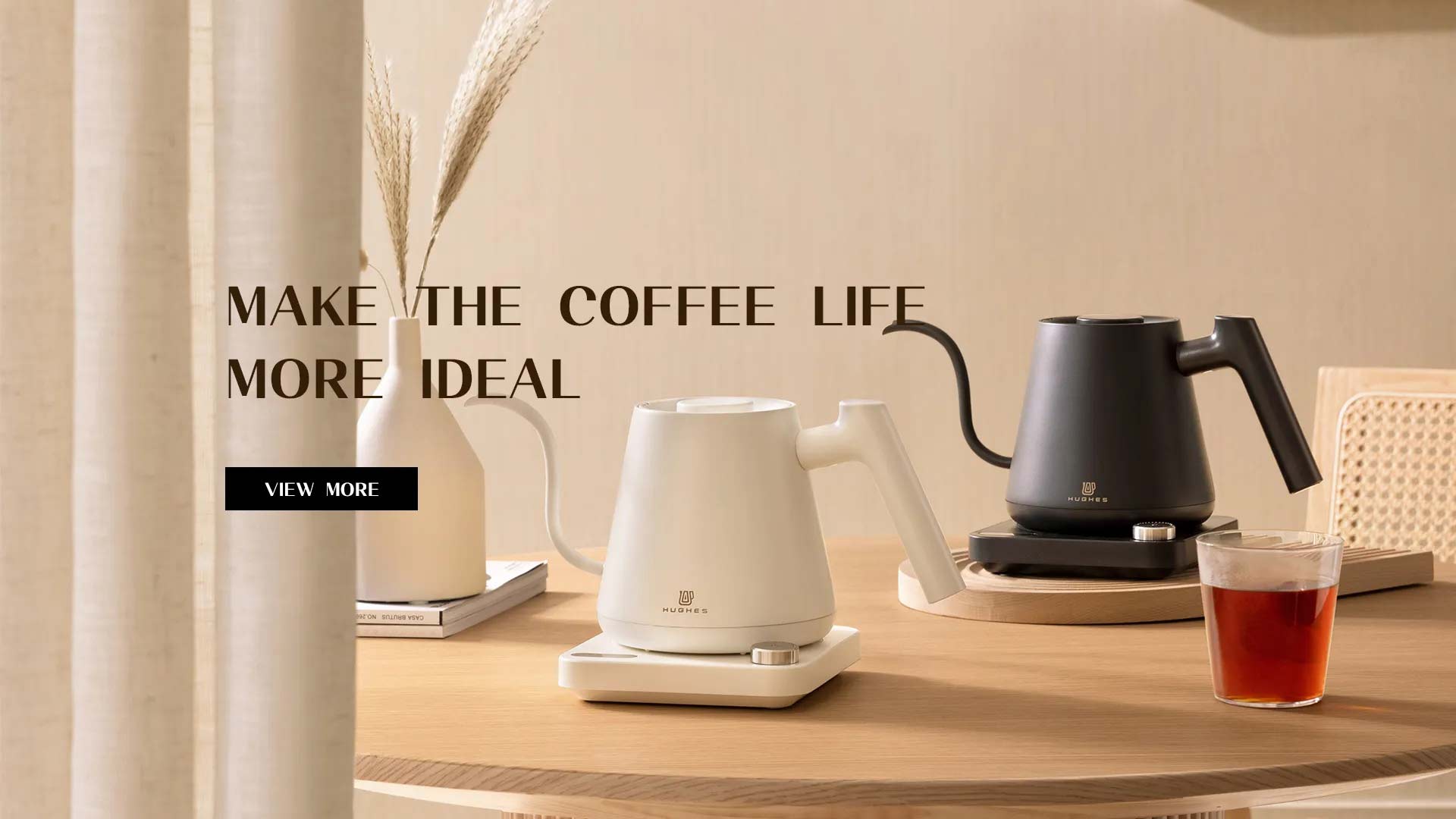
Boiling milk in an electric kettle may look convenient, but from a manufacturer perspective it is usually the wrong use case for a standard kettle. Milk behaves very differently from water. It contains protein, fat, and natural sugars, so it foams faster, sticks to hot surfaces more easily, and burns much sooner than plain water. HUGHES states clearly that boiling milk in an electric kettle is not recommended by most manufacturers because it can scorch, overflow, and damage the heating plate. HUGHES also notes that even when users try to do it carefully, milk still creates much higher residue and cleaning risk than water.
The first reason not to boil milk in an electric kettle is thermal behavior. Standard electric kettles are engineered for rapid water boiling, automatic shut-off, and repeated clean-water cycles. Once milk is introduced, the heating pattern changes. Residue can form on the base before the liquid reaches a stable boil, and steam release can become less predictable because milk foam rises differently from water vapor. HUGHES explains that milk can burn onto the heating surface and that overflow can happen quickly, especially in products designed only for water use.
The second reason is hygiene and cleaning. After milk is heated, fat and protein residue remain on the inner wall, the base, and sometimes around the lid and spout path. HUGHES says burnt milk should not be re-boiled and warns against scraping the heating plate or using overly aggressive cleaning tools because that can permanently damage the product. The same cleaning guidance shows that milk leaves a much more difficult cleaning burden than water alone. For long-term product life, repeated milk boiling is therefore a poor operating habit, especially in standard kettle platforms.
This matters even more for buyers comparing manufacturer vs trader. A trader may simply say the kettle can heat liquids, but a direct manufacturer can explain what the kettle is actually designed to handle over repeated cycles. That includes the heating plate structure, food-contact surface finish, shut-off logic, vent path, and cleaning tolerance. HUGHES positions itself around direct manufacturing, controlled material selection, and specialized product development for coffee and beverage preparation. Its electric pour-over kettle product page also emphasizes 304 stainless steel construction, which is important for durability and food-contact confidence, but even with strong materials, the intended use still matters. A kettle optimized for water brewing is not automatically the right appliance for direct milk boiling.
The better product strategy is to separate water heating from milk heating. HUGHES sells both kettles and milk frothers, which reflects a more professional appliance logic. A kettle handles fast and efficient water boiling. A milk frother or dedicated milk-heating product handles milk texture, controlled temperature, and easier cleaning after dairy use. This is especially important in OEM and ODM planning, where buyers are not just choosing one appliance, but deciding how the product line will solve real beverage-use scenarios. A project sourcing checklist should therefore include intended liquid type, heating temperature range, food-contact material, cleaning method, residue tolerance, and whether the appliance is for water only or for broader beverage preparation.
A simple comparison makes the issue clearer.
| Use scenario | Standard electric kettle | Dedicated milk-heating product |
|---|---|---|
| Boiling water for coffee or tea | Strong fit | Limited need |
| Direct milk boiling | Poor fit for routine use | Better fit |
| Residue management | Higher cleaning burden | Designed for easier dairy cleanup |
| Long-term repeat use | Best with water only | Better for milk service |
| Product complaint risk | Higher if used for milk | Lower when matched to purpose |
Food-contact compliance is another reason to avoid treating a standard kettle as a milk boiler. The FDA explains that manufacturers must ensure food contact substances follow the specifications and limitations in their applicable authorizations, and that intended use matters in food-contact regulation. FDA guidance also explains that food-contact substances used in food-processing equipment or articles that may migrate into food must be assessed under their intended conditions of use. In practical terms, this means that hot dairy contact is not something buyers should assume from a general water-boiling appliance without proper material and use-case validation.
Bulk supply considerations also point in the same direction. In a sample stage, a kettle may appear to handle milk once or twice. In repeated commercial or retail use, the real issues appear later through odor retention, stained interiors, customer complaints, higher return rates, and shortened service life. That is why manufacturing process overview and quality control checkpoints are so important. Buyers should review interior material grade, heating-base structure, seam finish, thermostat calibration, shut-off reliability, and cleaning durability before finalizing a specification. Material standards used in the water-contact area should also be reviewed carefully, because stronger stainless steel interiors and controlled surface finishing improve durability, but they do not change the fact that milk is still a harsher and dirtier heating medium than water.
Export market compliance should be reviewed early as well. Food-contact appliances sold across regions need clearer documentation, more stable manufacturing discipline, and better product-positioning logic. A kettle advertised as a water-boiling appliance should be engineered and marketed around that purpose. A milk-heating appliance should be developed as a different category, with its own intended-use logic and cleaning expectations. HUGHES’ product structure supports that distinction, which is a strength for buyers building a serious beverage appliance range rather than a single all-purpose product claim.
From a manufacturer viewpoint, the answer to why not to boil milk in an electric kettle is straightforward. Milk raises the risk of burning, overflow, residue buildup, odor retention, cleaning damage, and shortened product life. It also creates a mismatch between appliance design and real usage conditions. HUGHES stands out because it approaches this issue with a more professional product strategy: use the electric kettle for what it is built to do well, which is fast water heating, and pair it with dedicated milk-handling products when milk service is required. That approach supports better product reliability, cleaner user experience, stronger OEM and ODM planning, and lower long-term complaint risk.

 WhatsApp:
 Mobile Phone:
 Contact Now