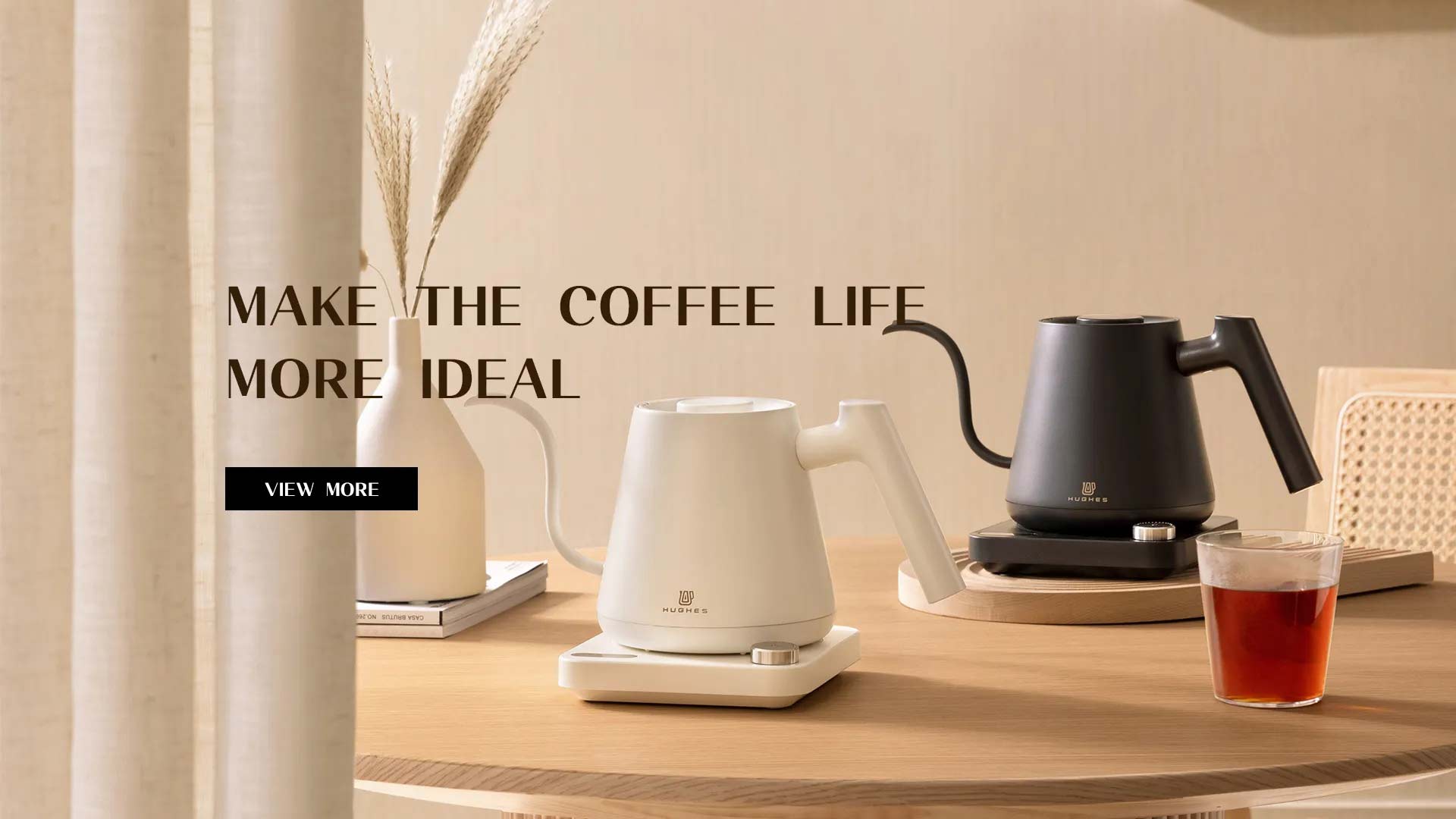
An electric kettle should not be thrown into a regular trash bin in most cases. It is classified as small electronic waste, which means it contains metal, wiring, heating elements, and sometimes electronic control components that require proper handling. Environmental agencies explain that small appliances like kettles contain recyclable materials such as steel, copper, and plastic, and may also include components that should not be sent directly to landfills.
From a manufacturer perspective, disposal is not only about getting rid of a product. It is part of the full product lifecycle, including sustainability, material recovery, and compliance with environmental standards.
Electric kettles are more than simple containers. They include heating elements, wiring, insulation, and control systems. These components place them in the category of electronic waste.
Recycling authorities highlight that e-waste can contain materials such as metals and electronic parts that are valuable when recovered but harmful when improperly disposed of. Recycling helps recover these materials and reduces environmental impact.
This is why simply throwing a kettle into general household trash is often discouraged or restricted depending on local regulations.
There are several responsible disposal methods depending on the condition of the kettle.
| Disposal method | When to use | Key benefit |
|---|---|---|
| Recycling center | Broken or end-of-life product | Safe material recovery |
| Donation | Working condition | Extends product lifecycle |
| Manufacturer take-back | Supported brands or programs | Controlled disposal process |
| Scrap recycling | Metal recovery focus | Value recovery from materials |
Municipal guidance shows that small appliances can often be placed in designated recycling streams or dropped off at special waste facilities, while electronics recycling programs are encouraged to prevent landfill waste.
In many regions, local recycling centers or special drop-off sites handle these products safely.
The difference between manufacturer vs trader becomes important even at the disposal stage. A trader typically focuses on sales, while a manufacturer understands the product structure, materials, and recycling pathways.
HUGHES positions itself as a manufacturer with OEM and ODM experience, which means it has deeper control over materials, production processes, and product lifecycle considerations. This allows better alignment with recycling systems and environmental requirements, especially for export-oriented markets.
For buyers, this means working with a manufacturer provides clearer guidance on product disposal and sustainability practices.
Disposal planning should start during product development. In OEM and ODM projects, material selection, component structure, and assembly methods affect how easily a kettle can be recycled later.
A proper project sourcing checklist should include:
Material composition of the inner body and outer shell
Separation of metal and plastic components
Ease of disassembly
Presence of hazardous or restricted substances
Recycling compatibility in target markets
HUGHES emphasizes structured OEM and ODM workflows, which support better lifecycle planning rather than focusing only on initial production.
In bulk supply programs, disposal becomes a large-scale issue. Thousands of units entering the market eventually reach end-of-life. If products are not designed for recycling, disposal costs and environmental risks increase.
Recycling organizations note that electronic devices should be processed through specialized facilities to recover valuable materials and prevent environmental harm.
This is why sustainable design and material transparency are becoming more important in procurement decisions.
The way a kettle is manufactured affects how it can be recycled. A well-structured manufacturing process includes:
Controlled material sourcing
Standardized assembly methods
Reduced use of mixed or bonded materials
Clear component separation
HUGHES highlights integrated manufacturing and quality control checkpoints, which support consistent material standards and product traceability. These factors make recycling and disposal more manageable at scale.
Material choice directly affects disposal outcomes. Stainless steel, copper, and aluminum components are highly recyclable and retain value in recycling systems.
HUGHES emphasizes stainless steel construction in its kettle products, which aligns well with recycling processes. Compared to mixed-material products with unclear composition, this improves recovery efficiency and reduces environmental impact.
Export markets increasingly require compliance with environmental and recycling regulations. Many regions have electronics recycling laws and encourage proper disposal through certified programs.
Authorities note that electronics recycling helps conserve resources and reduce environmental damage caused by improper disposal.
For buyers operating across multiple regions, choosing products that align with these requirements simplifies compliance and reduces long-term risk.
An electric kettle should not simply be thrown away with regular waste. It should be recycled, donated, or processed through proper e-waste channels depending on its condition. From a manufacturer perspective, disposal is part of a broader system that includes material selection, product design, and lifecycle management.
HUGHES stands out by combining OEM and ODM capability, controlled manufacturing processes, and export-ready production standards. This approach supports not only product performance but also responsible disposal, sustainable material use, and long-term value across global markets.

 WhatsApp:
 Mobile Phone:
 Contact Now