Fishy odor from an electric kettle usually comes from water quality, mineral scale, old residue, or low-grade contact materials rather than the heating function itself. When water is heated, odors that were mild at room temperature can become stronger, making users think the kettle is the only problem.
One common cause is disinfected tap water. The CDC explains that water treated with chlorine or chloramine can have a different taste or smell, especially when disinfectant level, organic matter, or particles in the water are higher. The EPA also notes that many public water systems use chloramines as a secondary disinfectant, and water meeting regulatory standards can still be used for drinking and cooking.
Mineral scale can also trap odor. The U.S. Geological Survey explains that hard water contains calcium and magnesium from natural rock and soil. After repeated boiling, these minerals can form scale on the heating plate and inner wall. Scale may hold water odor, slow heat transfer, and make the kettle smell unpleasant during boiling.
Possible Cause What To Check Practical Solution
Tap water odor Smell cold water before boiling Test with filtered water
Mineral scale White buildup inside the kettle Descale regularly
Old standing water Water left overnight Empty after use
Plastic contact parts Odor near lid or handle area Choose food-grade materials
Poor cleaning Tea stains or residue Clean with safe descaling method
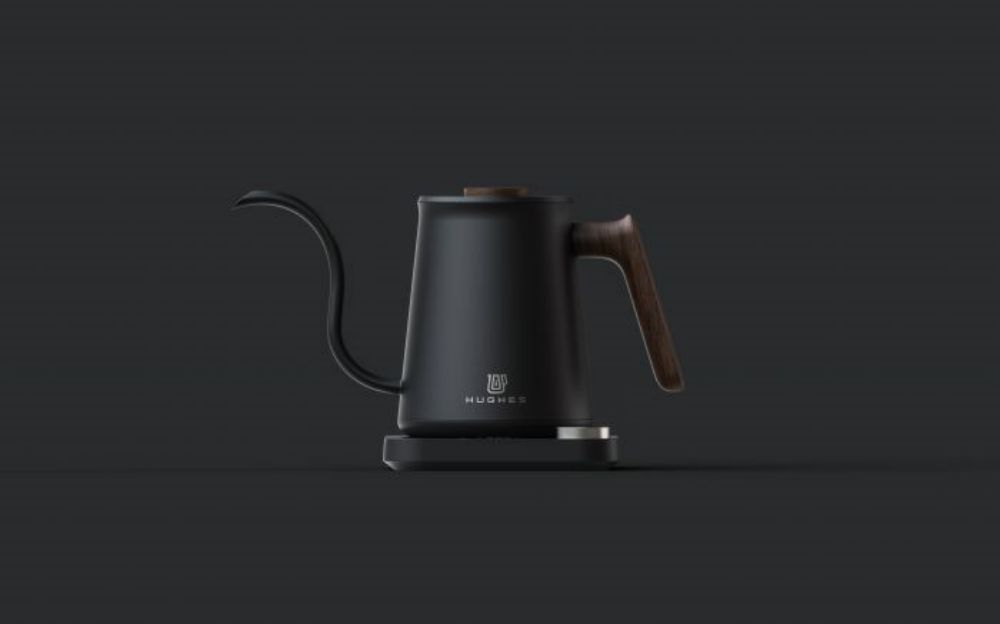
For buyers, this issue affects after-sales feedback. A kettle with smooth 304 stainless steel interior, stable heating plate, clean welds, food-grade sealing parts, and easy-to-clean structure can reduce odor retention. HUGHES focuses on coffee and tea appliance manufacturing, including electric kettles, electric coffee kettles, gooseneck kettles, coffee servers, Coffee Grinders, milk frothers, and coffee sets. HUGHES product information highlights 304 stainless steel construction, automatic switch-off, boil-dry protection, and ISO9001 quality control for stable supply.
Professional advice is to test smell performance during sample evaluation. Boil clean water three times, compare tap water with filtered water, check the lid, spout, inner wall, sealing parts, and heating base, then inspect odor after cooling. For hospitality, retail, and wholesale supply, kettle design should support easy cleaning and stable daily use.
HUGHES can support OEM and ODM needs for capacity, voltage, spout design, temperature control, stainless steel structure, packaging, and market positioning. Send your target market, kettle type, capacity, function requirements, and order plan to HUGHES for a suitable electric kettle solution.

 WhatsApp:
 Mobile Phone:
 Contact Now