Cooking food in an electric kettle can be convenient in hotels, dormitories, offices, travel spaces, and compact kitchens, but it should be done with care. Most electric kettles are made for heating water, not for cooking thick soup, oily food, rice, noodles with sauce, or sticky ingredients. For safe and long-term use, the best approach is to use the kettle mainly for boiling water, then pour the hot water over instant food in a separate bowl.
The key concern is food residue. When starch, oil, egg, soup powder, or seasoning touches the heating plate, it can burn, stick, create odor, and affect heating performance. Food safety guidance from the USDA also recommends keeping hot foods at safe temperatures and reheating leftovers to 165°F, so electric kettles should not be used as a substitute for controlled cooking equipment when food needs full internal heating.
Food Type Better Method Reason
Instant noodles Pour boiled water into a separate bowl Keeps the kettle clean
Oatmeal Add hot water outside the kettle Prevents sticking
Boiled eggs Possible with water only Requires cleaning after use
Soup powder Mix in a cup or bowl Avoids residue on heating plate
Rice or pasta Not recommended Starch can burn and overflow
Milk or sauces Not recommended May scorch and create odor
A practical method is simple: add clean water below the maximum line, boil it, then pour the hot water into another container for instant meals, tea, coffee, oatmeal, or soup mix. This protects the kettle’s electrical structure and makes cleaning easier. The power base, plug, connector, control panel, and bottom electrical parts should never be immersed in water. IEC 60335-2-15 covers safety requirements for appliances used to heat liquids, which is why correct use and dry electrical areas are important.
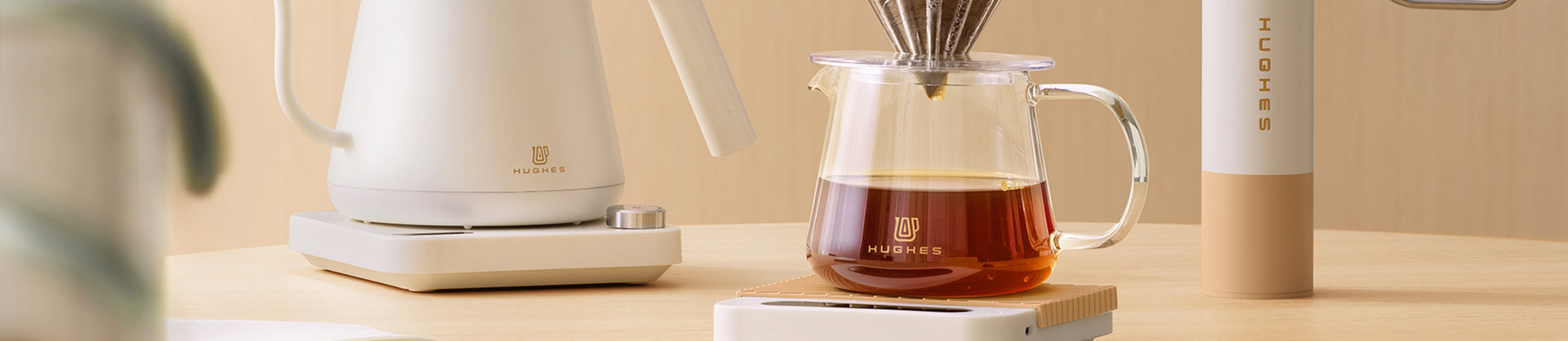
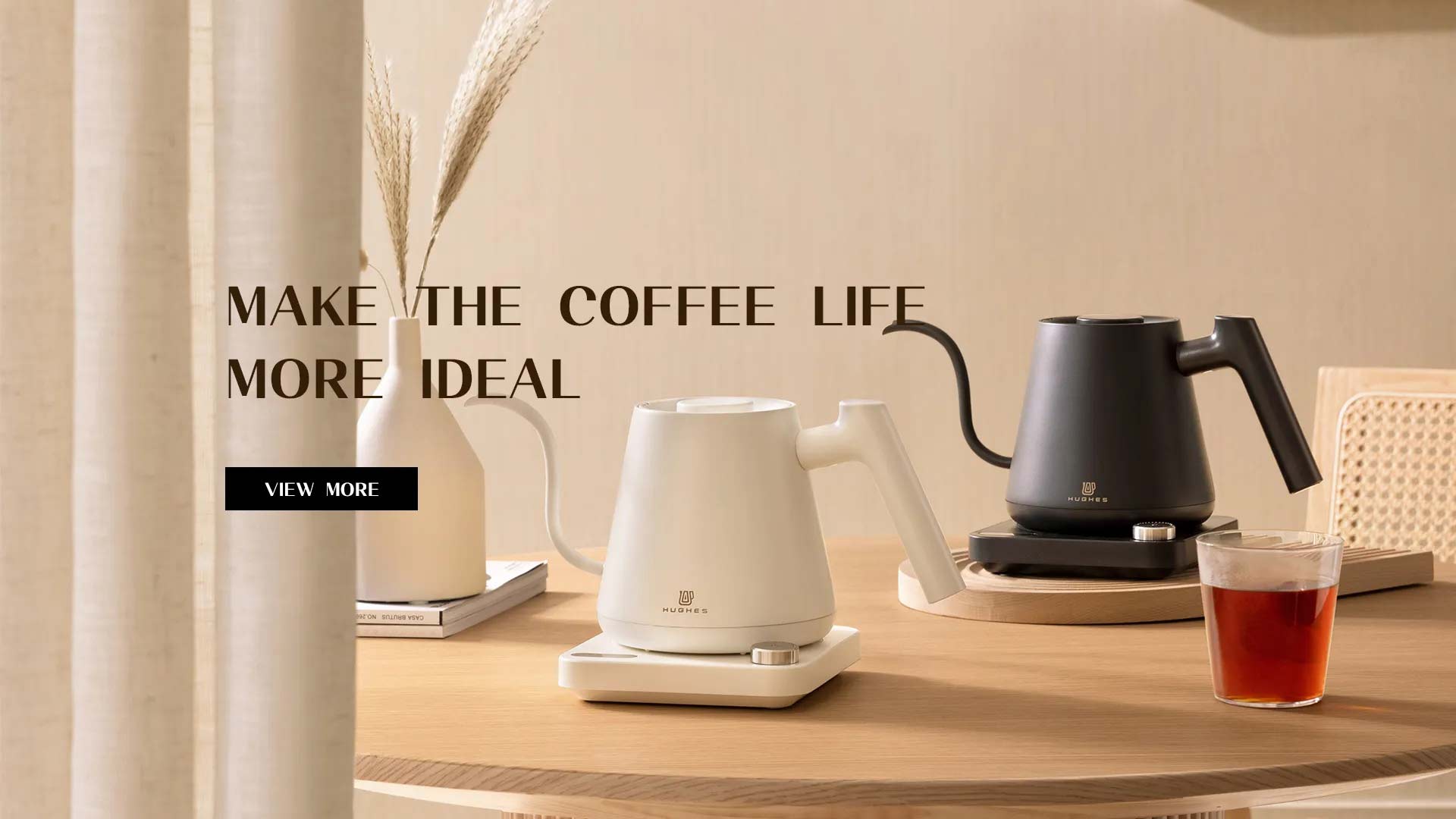
HUGHES focuses on coffee appliance manufacturing, including electric kettles, electric coffee kettles, electric gooseneck kettles, temperature control kettles, Coffee Grinders, milk frothers, coffee servers, coffee sets, and brewing tools. Our kettles are developed for stable hot water preparation, safe operation, clean appearance, and daily beverage use. We support OEM and ODM customization for capacity, voltage, plug type, stainless steel structure, spout design, handle style, temperature display, packaging, and market positioning.
For project procurement, buyers should position electric kettles as hot water appliances rather than cooking machines. Important checks include inner material, concealed heating element, auto shutoff, boil-dry protection, lid structure, cleaning convenience, odor control, user instructions, and bulk order stability. For hotels, coffee channels, retail shelves, and office beverage programs, an easy-clean electric kettle can reduce after-sales issues and improve user satisfaction.
Share your target market, kettle capacity, voltage, function needs, cleaning requirements, packaging style, and order plan with HUGHES. Our team can recommend a practical electric kettle solution for safer daily use and reliable commercial supply.

 WhatsApp:
 Mobile Phone:
 Contact Now