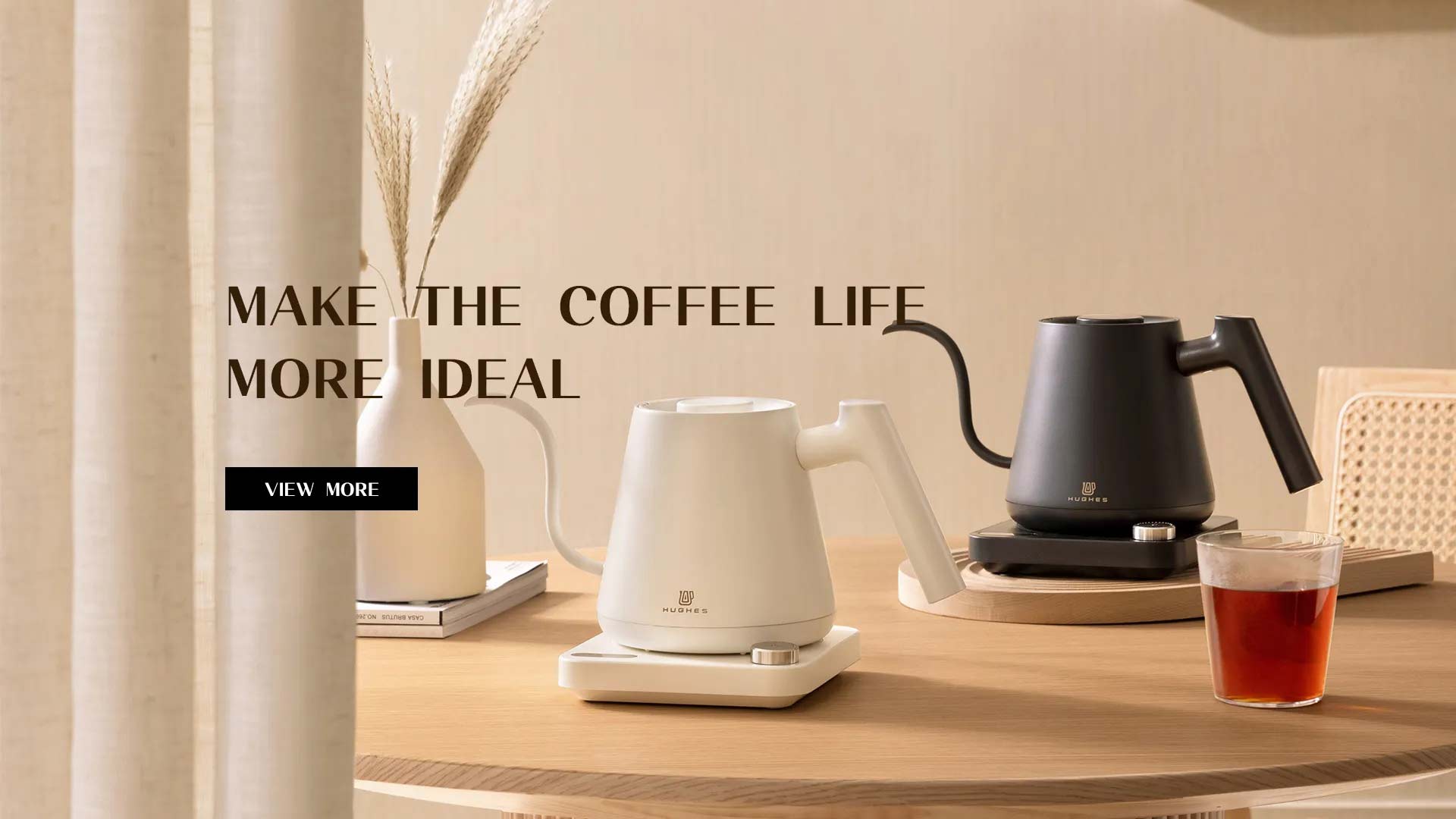
Which is cheaper, electric kettle or stove top, depends on energy cost, boiling speed, product positioning and daily use frequency. For many modern kitchens, office pantries and coffee brewing setups, an electric kettle is often more practical because it heats water directly through an internal heating element and reduces heat loss during boiling.
Energy efficiency studies on household water boiling show that electric kettles usually transfer heat to water more efficiently than open flame heating. Many electric kettles use 1000W to 1500W power, and fast-boiling models may use higher wattage depending on market standards. A stove top kettle may have a lower product cost, but more heat can be lost around the pot, especially when flame size and kettle base do not match.
| Item | Electric Kettle | Stove Top Kettle |
|---|---|---|
| Initial product cost | Usually higher | Usually lower |
| Heating speed | Faster for daily use | Depends on stove type |
| Energy use | More direct heating | More heat loss possible |
| Safety function | Can include auto shut-off | Depends on user operation |
| Commercial value | Better for appliance and coffee sets | More traditional positioning |
A trader may only compare unit price, but a manufacturer can review the full product value, including heating speed, wattage, body material, plug standard, safety design and packaging. This matters when buyers need stable quality, repeat orders and private label support.
HUGHES focuses on coffee-related appliances and accessories, including Electric Kettle, electric coffee kettle, Coffee Grinder, coffee scale, milk frother and coffee gift set. Our team can help match kettle structure with coffee brewing use, retail display needs and wholesale order planning.
A practical OEM / ODM process starts with market positioning. Buyers should confirm capacity, wattage, voltage, plug type, body material, handle design, spout shape, temperature control and packaging style. Sample testing should check boiling speed, switch response, boil-dry protection, water flow, surface finish and user comfort.
For bulk supply, the project sourcing checklist should include safety certification needs, material contact requirements, carton strength, color box design, instruction manual, spare parts, lead time and export documents.
The manufacturing process includes material preparation, heating component assembly, body forming, electrical connection, leak testing, safety testing, appearance inspection and final packaging. Quality checkpoints include power stability, thermostat function, insulation performance, auto shut-off, boil-dry protection, switch life and packaging protection.
For export market compliance, voltage matching, plug standards, product labels, safety documents and user manuals should be confirmed before shipment.
A stove top kettle may be cheaper to buy at first, but an Electric Kettle can offer faster heating, easier operation and stronger product value for coffee appliance channels. For long-term product planning, the better choice depends on target market, retail price range, safety requirements and brand positioning.

 WhatsApp:
 Mobile Phone:
 Contact Now