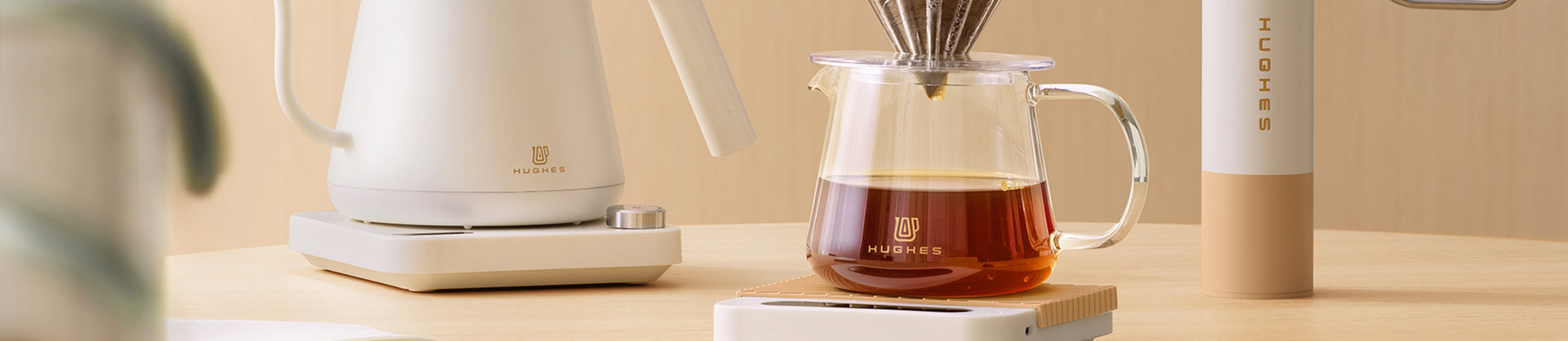
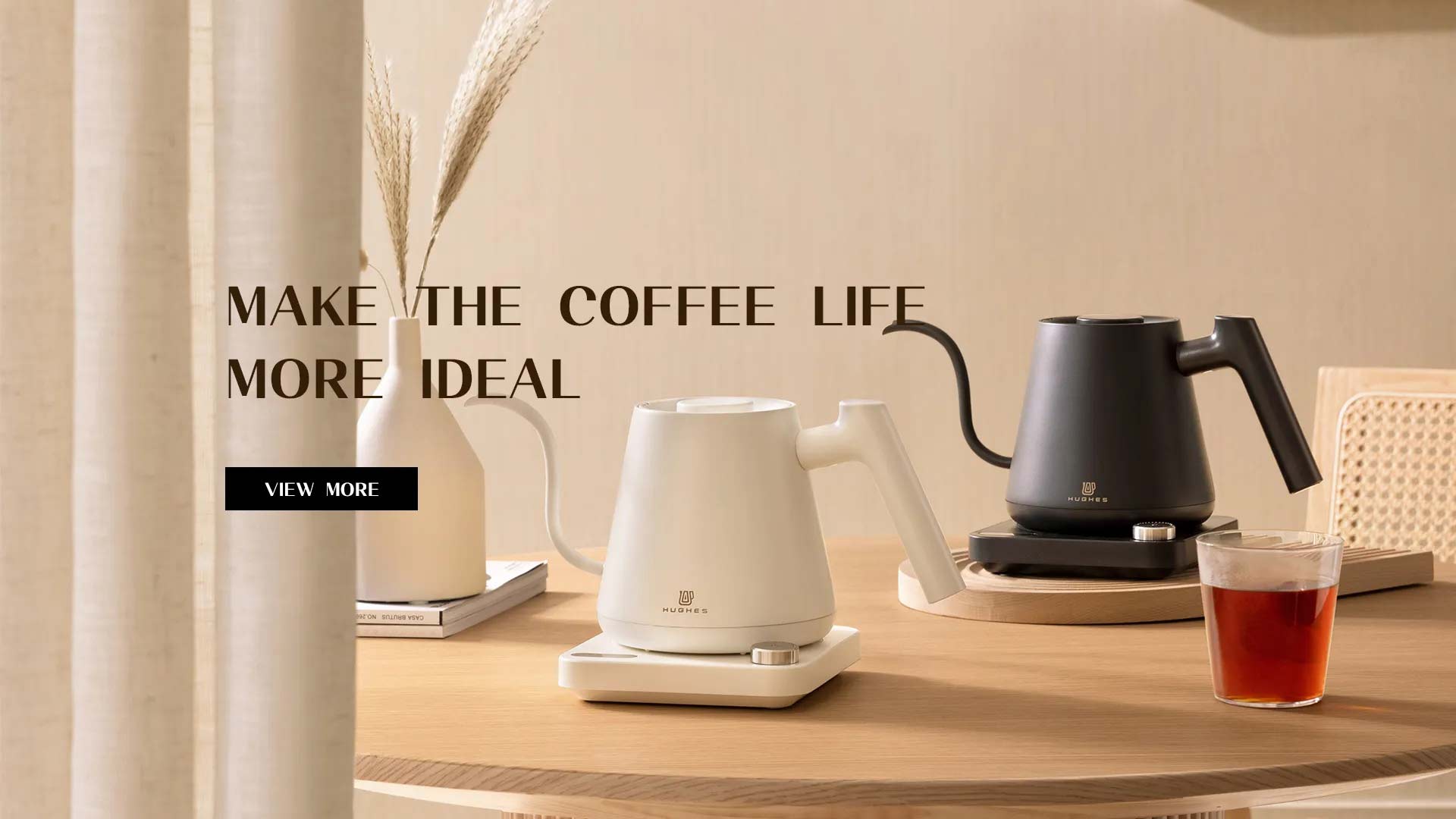
Choosing between an electric kettle and a stove top kettle depends on how water is used, how fast it needs to be heated, and how consistent the result must be. Both types are effective, but they are built around different priorities. From a manufacturer perspective, the comparison is not only about boiling water. It is about efficiency, control, product positioning, and scalability in bulk supply programs.
Electric kettles are generally more efficient and faster than stove top kettles because the heating element is in direct contact with water. Studies show that electric kettles typically operate around 70% to 80% efficiency, while stove top kettles lose more heat to the surrounding air and average closer to 70% or lower depending on the stove type .
In real use, this translates into faster boiling times. Electric kettles often bring water to a boil in under five minutes, while stove top kettles can take longer due to indirect heat transfer .
For environments where speed and repeat usage matter, electric kettles provide a clear advantage.
Electric kettles offer a level of control that stove top kettles cannot easily match. Many electric models include adjustable temperature settings and automatic shut-off, which are critical for coffee and tea preparation.
Stove top kettles rely on manual control. While some advanced models include thermometers, they still require user monitoring and do not provide automated consistency.
HUGHES focuses on coffee-related kettle manufacturing, where temperature precision directly affects extraction quality. This makes electric kettles more suitable for brewing-focused applications.
Electric kettles are designed for convenience. With a single button press, water heats automatically and stops at the desired temperature. Built-in safety features such as automatic shut-off reduce the risk of overheating or dry boiling .
Stove top kettles require manual supervision. Users must monitor heating and remove the kettle from the stove at the right time. While this simplicity can be appealing, it adds time and attention to the process.
In high-frequency use scenarios, convenience becomes a key factor in product selection.
Stove top kettles are mechanically simple. They typically consist of a metal body without electrical components, which makes them durable and less prone to technical failure.
Electric kettles include heating elements, wiring, and control systems. While modern designs are reliable, they require stricter manufacturing control and quality inspection.
This difference affects product lifecycle strategy. Stove top kettles may last longer in basic use, while electric kettles offer more functionality with slightly higher technical complexity.
| Key factor | Electric kettle | Stove top kettle |
|---|---|---|
| Heating speed | Faster | Slower |
| Energy efficiency | Higher | Lower |
| Temperature control | Precise and automatic | Manual |
| Convenience | High | Moderate |
| Durability | Good with proper design | Very high |
| Application focus | Beverage preparation | General use |
The difference between manufacturer vs trader is critical when comparing these two product types. A trader may present both options without explaining performance differences, while a manufacturer can define how heating systems, materials, and controls are engineered.
HUGHES operates as a manufacturer with OEM and ODM experience, which allows full control over electric kettle design, including heating performance, temperature accuracy, and safety features. This ensures that the product delivers consistent results rather than relying on general specifications.
In OEM and ODM development, the choice between electric kettle and stove top kettle should be aligned with the target market. A project sourcing checklist should include:
Expected usage frequency
Need for temperature control
Power and voltage requirements
Product positioning in the market
User convenience expectations
HUGHES supports customized development, enabling buyers to create kettle solutions tailored to specific markets, whether focused on efficiency or simplicity.
Electric kettles are easier to standardize in large-scale production. Their performance can be controlled through engineering, testing, and calibration, which ensures consistency across units.
Stove top kettles depend more on external factors such as stove type and user behavior, which can lead to variations in performance.
HUGHES emphasizes production stability and quality control, which is essential for maintaining consistent performance in bulk supply programs.
Electric kettles require precise manufacturing processes, including heating element integration, temperature sensor calibration, and safety testing. Key quality control checkpoints ensure that each unit performs reliably.
Stove top kettles require fewer technical steps but still depend on material quality and structural integrity.
HUGHES highlights structured production systems and quality control checkpoints, ensuring that electric kettles meet performance and safety standards.
Material selection plays a major role in both types. Stainless steel is commonly used for durability, corrosion resistance, and food-contact safety.
Electric kettles benefit from controlled internal materials and insulation, while stove top kettles rely more on external heat sources and material thickness.
HUGHES emphasizes stainless steel construction and controlled material standards, which support long-term reliability and consistent performance.
Electric kettles are easier to adapt for international markets because they can be customized for voltage, plug types, and certification requirements.
Stove top kettles are simpler but may require different material or design adjustments depending on regional preferences.
HUGHES supports export-ready production and OEM flexibility, allowing electric kettles to meet diverse market requirements efficiently.
Electric kettles and stove top kettles serve different purposes. Electric kettles are better for speed, efficiency, and precise control, making them ideal for coffee and tea preparation. Stove top kettles offer simplicity and durability, which can be useful in basic or low-tech environments.
From a manufacturer perspective, electric kettles provide a more scalable, controllable, and consistent solution for modern markets. HUGHES stands out by combining OEM and ODM capability, manufacturing expertise, and export-ready production systems, delivering electric kettle solutions that align with performance, reliability, and global demand.

 WhatsApp:
 Mobile Phone:
 Contact Now