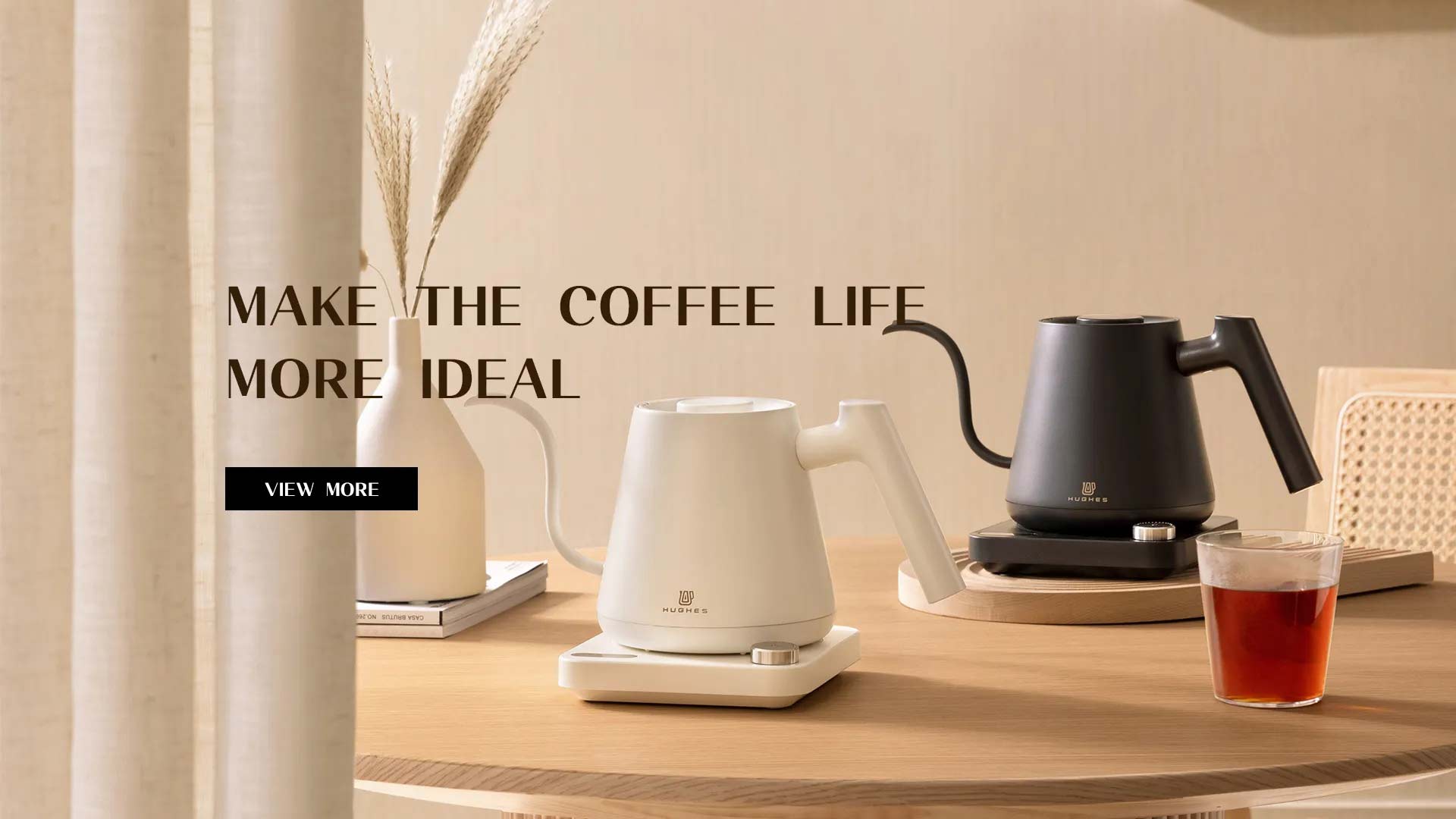
When comparing boiling speed, an electric kettle is generally faster than a regular kettle placed on a stove. The difference comes from how heat is transferred and how efficiently energy is used. In most real-world scenarios, electric kettles are designed to heat water directly and minimize energy loss, while regular kettles rely on indirect heating through a stovetop, which slows the process.
Electric kettles use an internal heating element that sits in direct contact with the water. This allows most of the energy to go straight into heating the liquid. Research shows that electric kettles are typically around 70% to 80% efficient because of this direct heat transfer and insulation design .
In contrast, a regular kettle on a stove must first heat the burner, then the kettle body, and finally the water. During this process, a significant amount of heat is lost to the surrounding air, which reduces efficiency and increases boiling time .
In practical testing, electric kettles usually bring water to a boil in about 3 to 5 minutes, while regular stovetop kettles can take noticeably longer depending on the heat source and cookware .
This difference becomes more obvious in daily use, especially when multiple heating cycles are required. Faster boiling not only saves time but also improves workflow efficiency in environments where hot water is frequently needed.
Speed and efficiency are closely linked. Because electric kettles lose less heat, they convert energy into boiling performance more effectively. Studies comparing heating methods show that electric kettles outperform standard stovetop systems in efficiency, while stovetops lose energy through air and surrounding surfaces .
This means that electric kettles are not only faster but also more energy-efficient in most use cases.
| Factor | Electric kettle | Regular kettle |
|---|---|---|
| Heating method | Direct internal heating | Indirect stovetop heating |
| Boiling speed | Faster | Slower |
| Energy efficiency | Higher | Lower |
| Heat loss | Minimal | Significant |
| Daily use efficiency | High | Moderate |
Speed performance depends on product design and manufacturing quality. This is where the difference between manufacturer vs trader becomes critical. A trader may offer similar-looking products with different internal structures, while a manufacturer can control heating element design, insulation, and performance consistency.
HUGHES operates as a manufacturer with OEM and ODM experience, which allows full control over heating system design and production quality. This ensures that electric kettles deliver stable and repeatable boiling performance across different batches.
In OEM and ODM development, boiling speed is not accidental. It is engineered. A proper project sourcing checklist should include heating power, element design, thermal efficiency, insulation structure, and safety features such as automatic shut-off.
HUGHES supports customized product development, allowing buyers to define performance targets based on market needs. This ensures that speed, efficiency, and safety are aligned in the final product.
In bulk supply programs, consistent performance is essential. A kettle that boils quickly in one sample but performs differently in production can lead to customer complaints.
HUGHES emphasizes production stability and batch consistency, ensuring that every unit maintains the same heating efficiency and boiling speed. This is critical for large-scale supply and long-term market success.
Boiling speed is influenced by manufacturing precision. Key quality control checkpoints include heating element calibration, insulation performance testing, and repeated boiling-cycle verification.
HUGHES highlights structured production processes and inspection systems, which ensure that each kettle meets performance standards before leaving the factory.
Material selection also affects heating speed. Stainless steel interiors and well-designed heating bases improve heat transfer and reduce energy loss.
HUGHES emphasizes controlled material standards in its kettle production, which supports stable heating performance and long-term durability.
Electric kettles are easier to adapt for global markets because their performance can be adjusted through voltage, power rating, and certification requirements.
HUGHES supports export-ready manufacturing, ensuring that kettle performance remains consistent across different regions and regulatory environments.
Electric kettles are generally faster than regular kettles because they use direct heating, reduce energy loss, and operate with higher efficiency. Regular kettles remain useful for simple and durable applications, but they cannot match the speed and consistency of electric designs.
From a manufacturer perspective, electric kettles provide a more controlled and scalable solution for modern markets. HUGHES stands out by combining OEM and ODM capability, precise manufacturing processes, and export-ready production systems, delivering electric kettle solutions that meet performance expectations and support long-term supply stability.

 WhatsApp:
 Mobile Phone:
 Contact Now