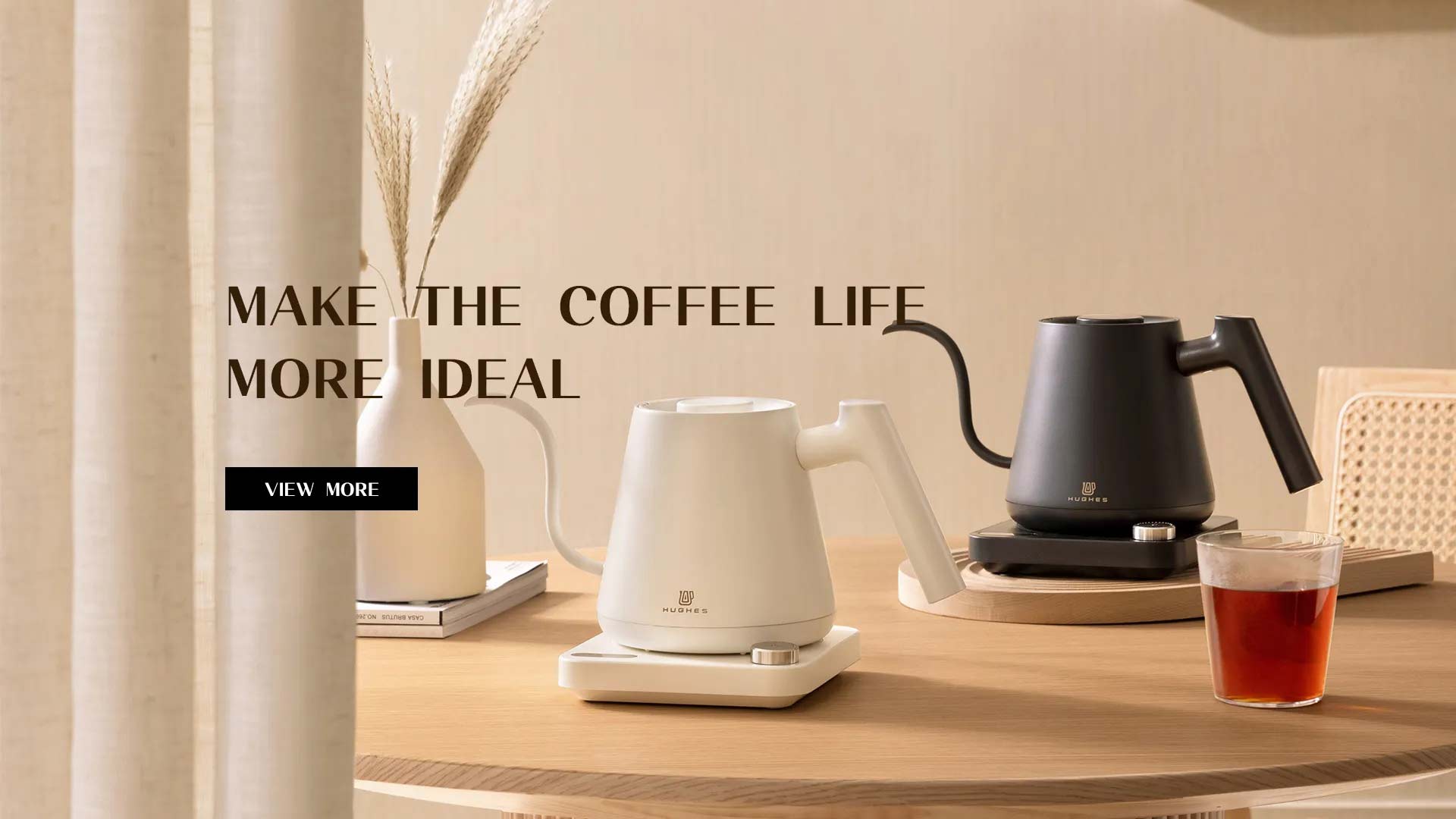
Choosing between a teakettle and an electric kettle depends on convenience, heating efficiency, product positioning and user expectations. Both products are designed to heat water, but they serve different market needs. A traditional teakettle is heated on a stove, while an Electric Kettle uses an internal heating element to boil water quickly and automatically.
As coffee culture continues to grow worldwide, consumers increasingly look for products that provide speed, consistency and ease of use. According to data from the International Energy Agency, electric heating appliances often deliver heat more efficiently than indirect heating methods because energy is transferred directly to the water instead of first heating a cooking surface.
| Feature | Teakettle | Electric Kettle |
|---|---|---|
| Heating Method | Stove-based heating | Built-in electric heating element |
| Boiling Speed | Depends on stove performance | Fast and consistent heating |
| Automatic Shut-Off | Not available | Common on modern models |
| Temperature Control | Manual monitoring | Available on selected models |
| Coffee Brewing Suitability | Basic use | Better for precision brewing |
A teakettle remains popular for traditional kitchens and users who enjoy manual preparation. However, an Electric Kettle has become the preferred choice for specialty coffee because it provides greater control over water delivery and heating performance.
For pour-over coffee applications, gooseneck electric kettles allow more accurate water flow control. This helps improve extraction consistency, which is one reason why coffee shops and home brewing enthusiasts often choose electric coffee kettles over traditional stovetop models.
When comparing suppliers, understanding the difference between a manufacturer and a trader is important. A trader may offer existing products from multiple factories, but a manufacturer can provide direct control over product design, quality management and production scheduling.
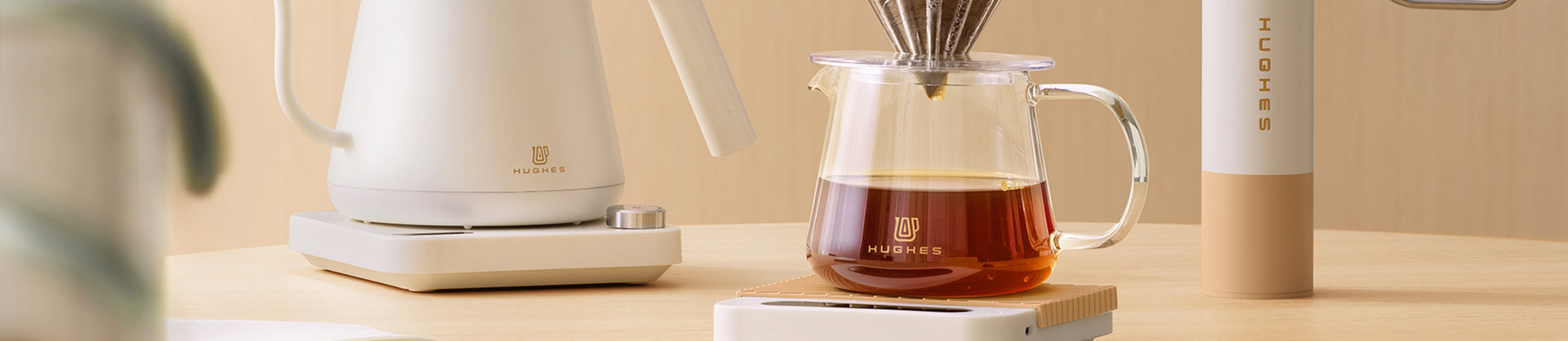
HUGHES specializes in coffee-related appliances and accessories, including Electric Kettle, Coffee Grinder, coffee scale, milk frother and coffee gift set solutions. Our engineering team can support product customization, packaging development and market-specific requirements throughout the product lifecycle.
A successful OEM / ODM project starts with understanding market demand. Buyers typically confirm product capacity, wattage, voltage, material specifications, packaging style, certification requirements and target price range.
The development process often includes:
| Stage | Key Activities |
|---|---|
| Product Planning | Capacity, appearance and function review |
| Sample Development | Prototype production and testing |
| Performance Validation | Heating, safety and durability checks |
| Packaging Confirmation | Retail and shipping requirements |
| Mass Production | Controlled manufacturing process |
For bulk supply considerations, the project sourcing checklist should include certification requirements, spare parts planning, packaging strength, instruction manuals, inspection standards and export documentation.
The manufacturing process begins with raw material inspection and component preparation. Stainless steel bodies, heating elements, thermostats and electrical systems are assembled according to product specifications. After assembly, each unit undergoes electrical safety testing, boiling performance verification and appearance inspection.
Many premium electric kettles use food-contact stainless steel materials that comply with international safety requirements. Material consistency directly affects durability, corrosion resistance and long-term user satisfaction.
Quality control plays a critical role in electric kettle production. Important checkpoints include:
Heating efficiency verification
Thermostat accuracy testing
Leak resistance inspection
Boil-dry protection validation
Handle strength testing
Surface finish evaluation
Packaging protection assessment
These inspections help reduce product defects and improve shipment consistency.
Export market compliance should be reviewed before production begins. Different countries may require specific plug types, voltage standards, labeling requirements and safety certifications.
Proper preparation helps reduce customs delays and supports smoother market entry. Product manuals, packaging labels and electrical specifications should match destination market regulations before shipment.
A teakettle offers simplicity and traditional appeal, while an Electric Kettle provides faster heating, improved convenience and greater control for modern coffee preparation. For coffee-focused product categories, electric kettles often deliver stronger commercial value through enhanced functionality, safety features and customization opportunities. Selecting a manufacturer with strong OEM / ODM capabilities, quality control systems and export experience can support more efficient product development and long-term supply stability.
Previous: Why Do Electric Kettles Rust

 WhatsApp:
 Mobile Phone:
 Contact Now